
Gluten-Free Naan Bread



If you’ve been missing flatbread, my Gluten-Free Naan Bread is here with its pillowy texture and signature blistered look. With simple ingredients, this gluten free naan cooks quickly on the stove into soft, chewy rounds perfect for curries, wraps, or dipping. It’s the homemade version you’ve been waiting for!
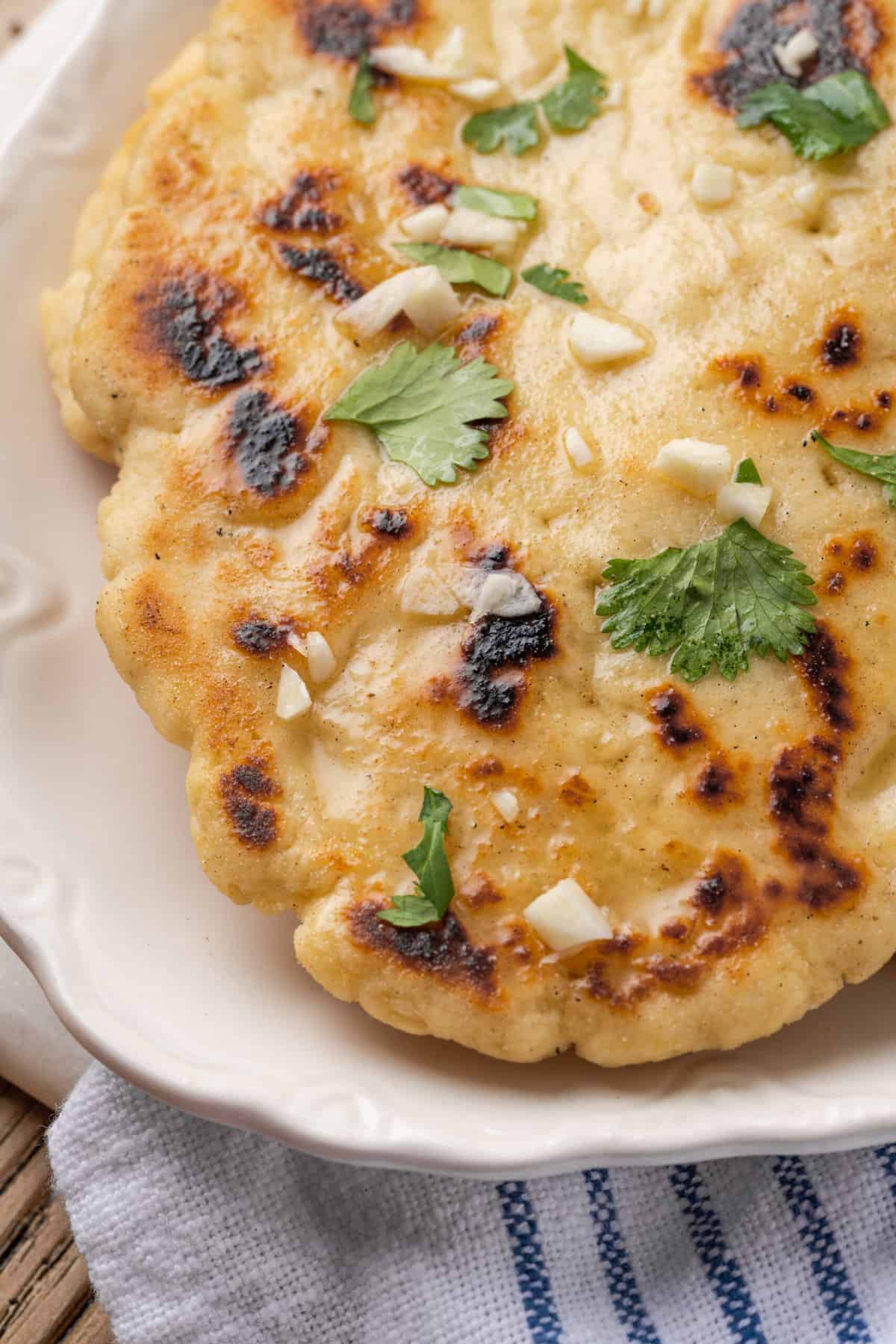
Delicious Details
- Cuisine Inspiration: Indian
- Primary Cooking Method: Stovetop
- Dietary Info: Gluten-free
- Skill Level: Moderate
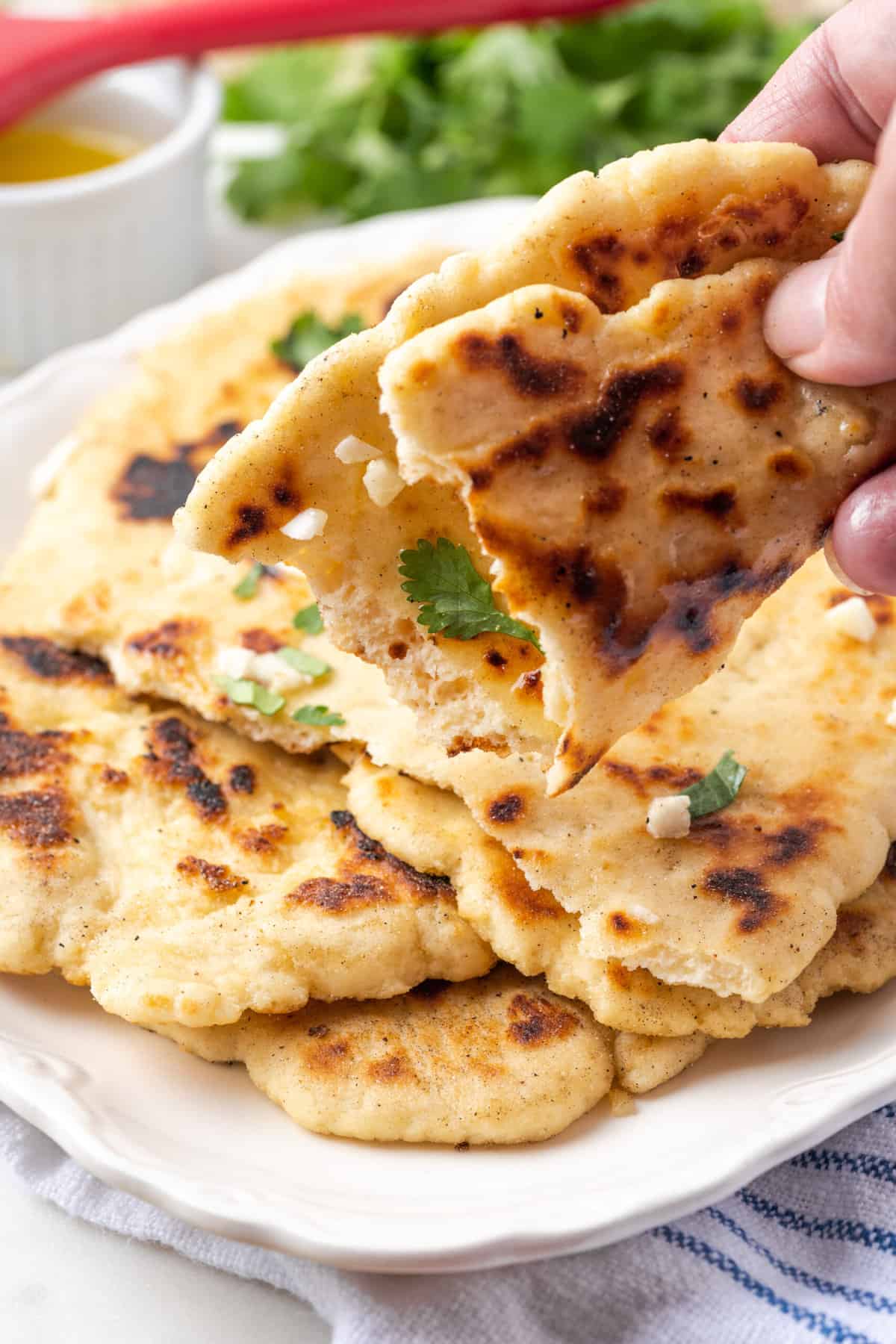
Chances are you’re familiar with naan bread, which is a traditional flatbread with roots in India (you’ll find it on menus at Indian restaurants, and it’s so good for sopping up palak paneer or alongside tandoori chicken). It has a delightfully chewy texture and is typically cooked in a tandoor oven.
Is Naan Gluten Free?
Is naan bread gluten-free? Traditionally, no. It’s usually made with wheat flour, so it contains gluten, and, therefore, cannot be included in a gluten free diet.
This recipe swaps the standard all-purpose flour for a 1:1 gluten free blend, plus xanthan gum, psyllium husk, and egg to give it the stretchy, pillowy texture you expect. I cook the naan on a hot cast iron skillet until slightly charred and puffed, just as it should be. This easy method means you’ll have hot, buttery, chewy naan on the table fast!
You’ll Love Making Naan Bread Gluten Free
Here are a few other reasons why I love this naan recipe:
- Hard to find in stores. Soft, chewy gluten free naan isn’t always easy to buy, so making it at home guarantees fresh, warm flatbread whenever you want it.
- No need to heat the oven. Yes, it cooks right in a pan on the stove!
- Easily customizable. You can add garlic or herbs right to your naan dough. Or simply top it with anything you like, including garlic, butter, olive oil, herbs, and more.
- Goes with so many dishes. You can use it to scoop up homemade chicken curry or substitute it for a wrap. I also like to spread a little hummus or mayonnaise across a fresh naan and pile it high with raw vegetables. Check out the Make it a Meal section for more ideas!
Recipe Ingredients
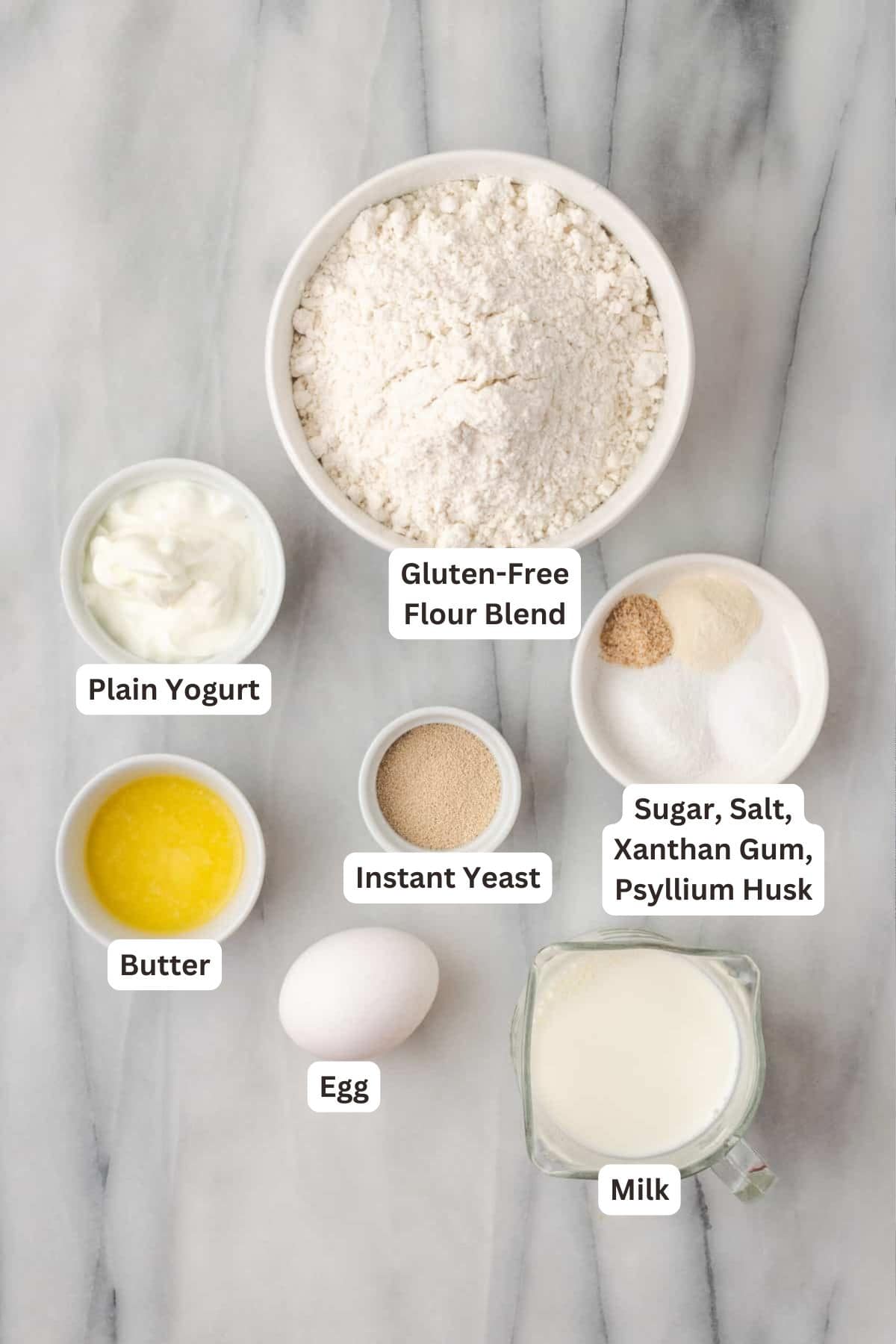
Here’s a quick overview of what you’ll need to make this recipe. Don’t forget to check the recipe card at the bottom of this post for the full ingredient amounts.
- Gluten-Free Flour Blend: I used King Arthur’s Measure for Measure flour.
- Instant Yeast: Instant yeast can be stirred right into the gluten-free flour mix – there’s no need to proof it first which is a benefit with gluten free breads that really only need one rise. If you need to use regular yeast, you’ll need to proof it first and then add it to the dough with the egg.
- Sugar: A little bit of sugar helps to activate the yeast and make the naan rise properly.
- Salt: I use fine table or sea salt rather than Kosher salt.
- Xanthan Gum: Xanthan gum is used as a binder in many gluten-free foods, and helps give gluten-free breads a nice stretchy texture.
- Psyllium Husk: Use whole psyllium husks rather than powder.
- Egg: An egg also helps to bind and stabilize the dough.
- Plain Yogurt: You can use whole milk plain or low-fat plain yogurt – just make sure it is plain!
- Butter: Salted or unsalted butter is fine in this recipe.
- Milk or Water
- Melted Butter, Cilantro, and Chopped Garlic: These are optional toppings for the naan.
How to Make Gluten-Free Naan
Follow along with my instructions and photos below to make great gluten-free naan bread:
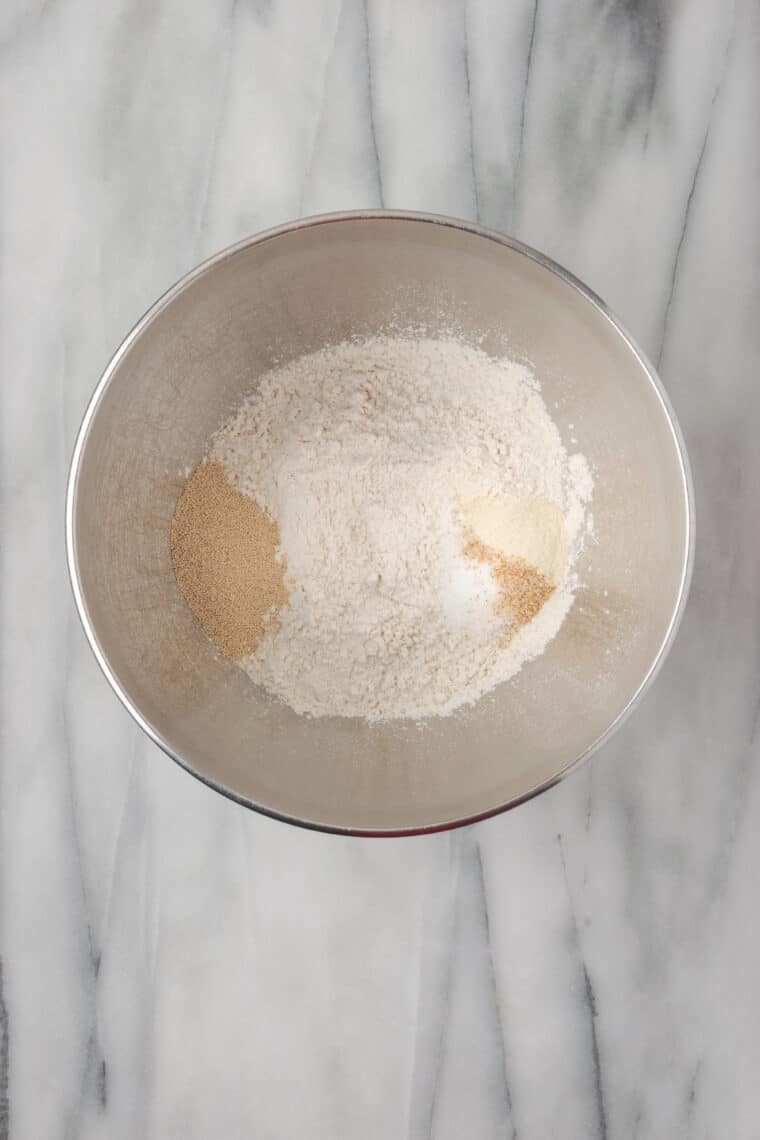
- Mix the dry ingredients. In the bowl of a stand mixer fitted with the dough hook attachment, place the gluten-free flour, yeast, sugar, salt, xanthan gum, and psyllium husk. Mix until combined.
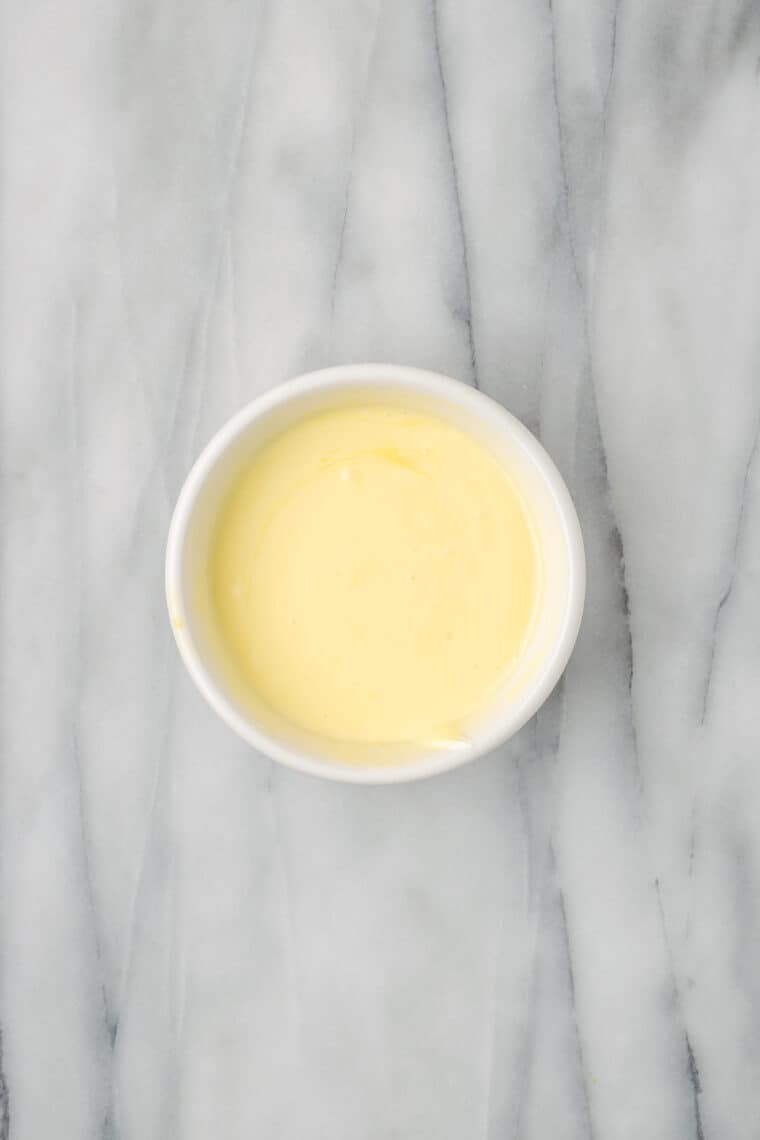
- Whisk the wet ingredients. In a small bowl, whisk the egg.
- Then whisk in the yogurt and butter. Add the yogurt and melted butter to the egg and whisk until smooth.
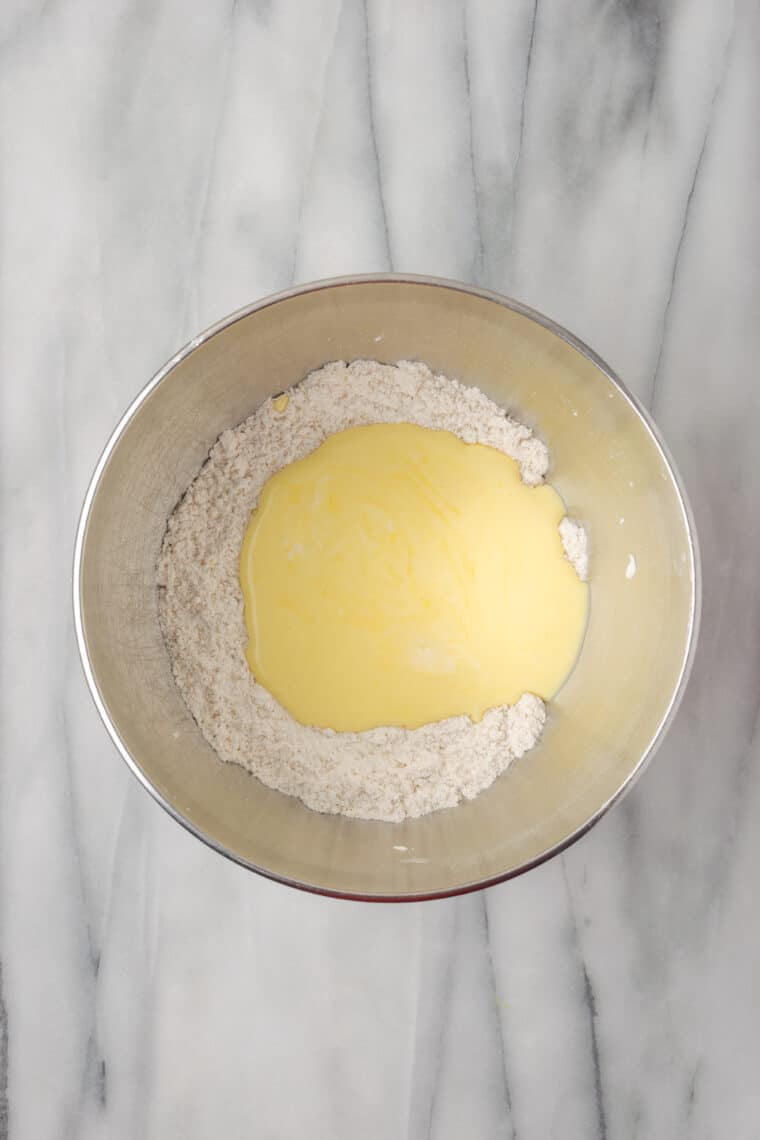
- Combine wet and dry. Pour the egg mixture into the dry ingredients and stir on low speed until incorporated.
- Add the milk or water. With the mixer still on low, slowly pour in the warm milk or water. Mix until the liquid is mostly incorporated, scraping down the bowl several times.
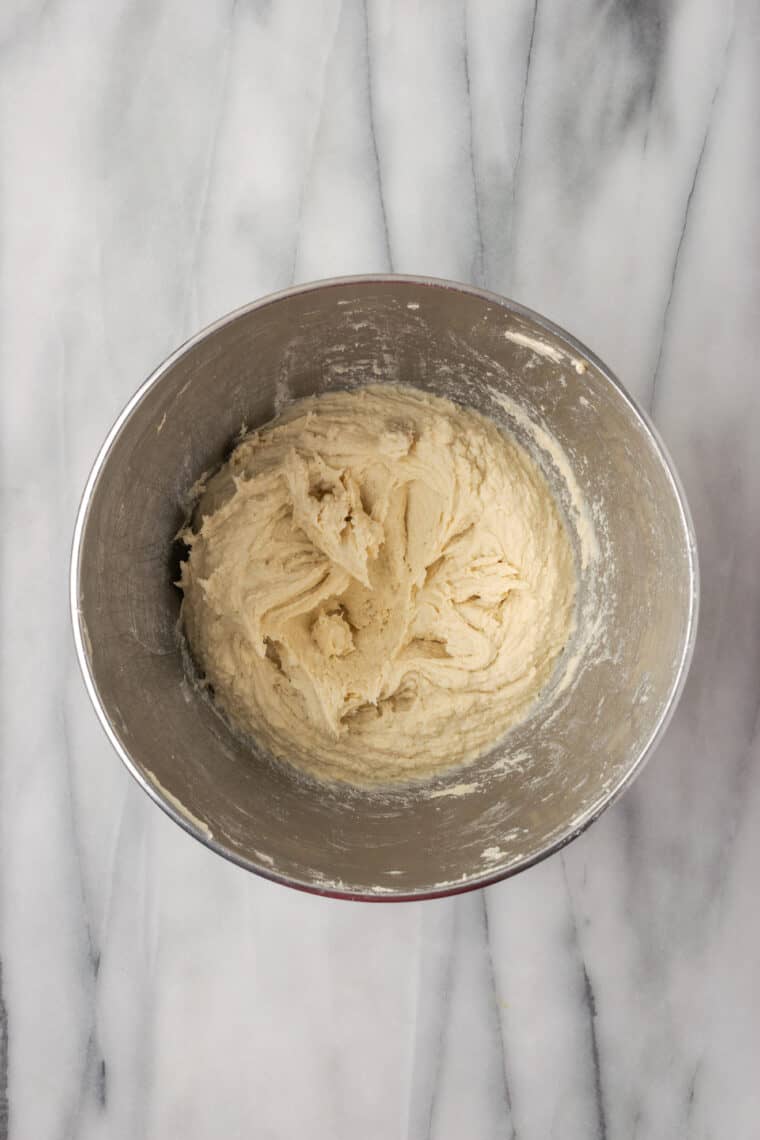
- Continue mixing. Turn the mixer on medium and let the dough mix for 5 minutes to allow the flour and psyllium husk to absorb the moisture. The dough should be sticky but not wet.
- Let the dough rise. Transfer the dough to a clean bowl that’s been coated with oil. Cover and let it rise for 1 hour in a warm place.
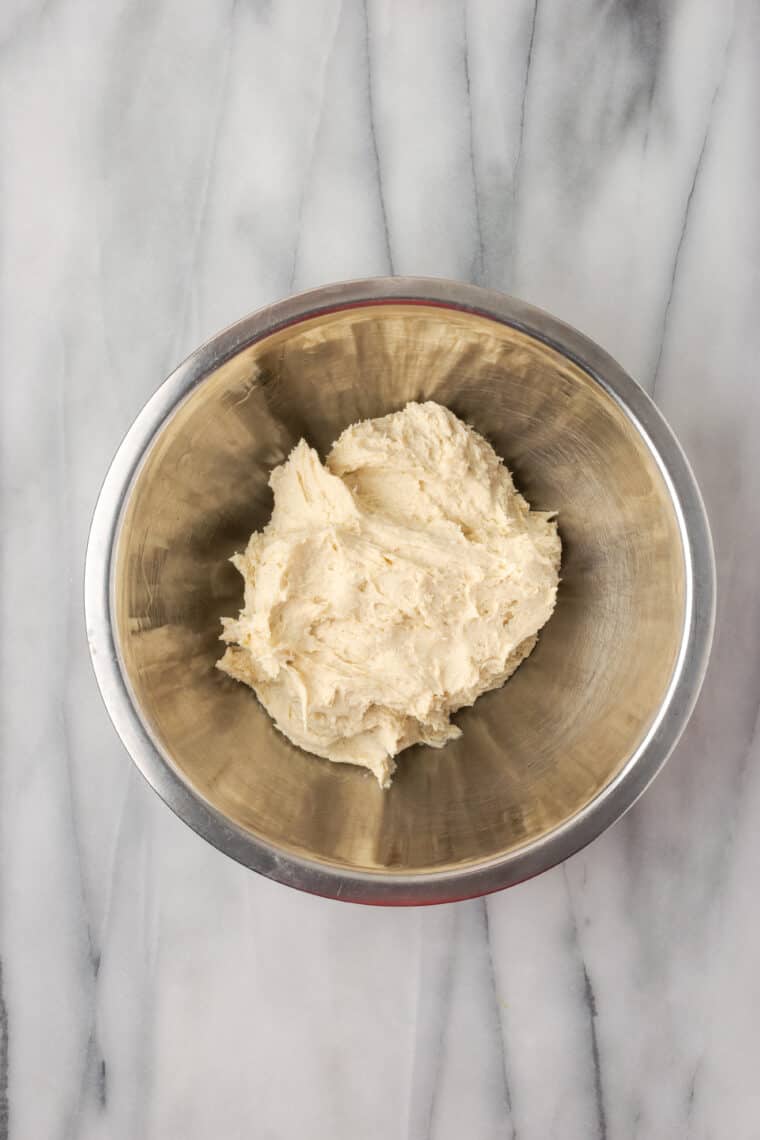
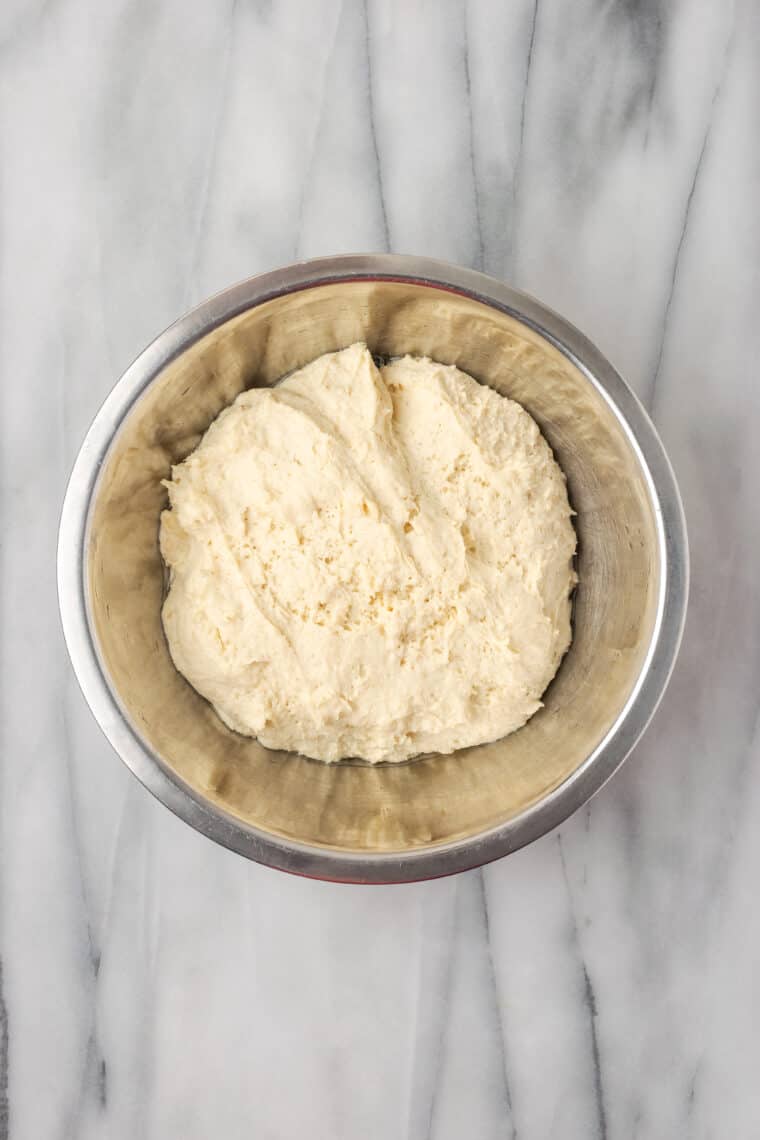
- Transfer dough to a work surface. When the dough has doubled in size, turn it out onto your work surface. It should still be a little sticky but able to be handled. If it seems too wet, add 1-2 tablespoons of flour to the surface and the top of the dough.
- Prepare the naan pieces. Divide the dough into 8 pieces and roll each one into a ball. Handle the dough gently so as not to deflate the rise. Place the dough balls on a plate or tray and cover them until ready to cook.
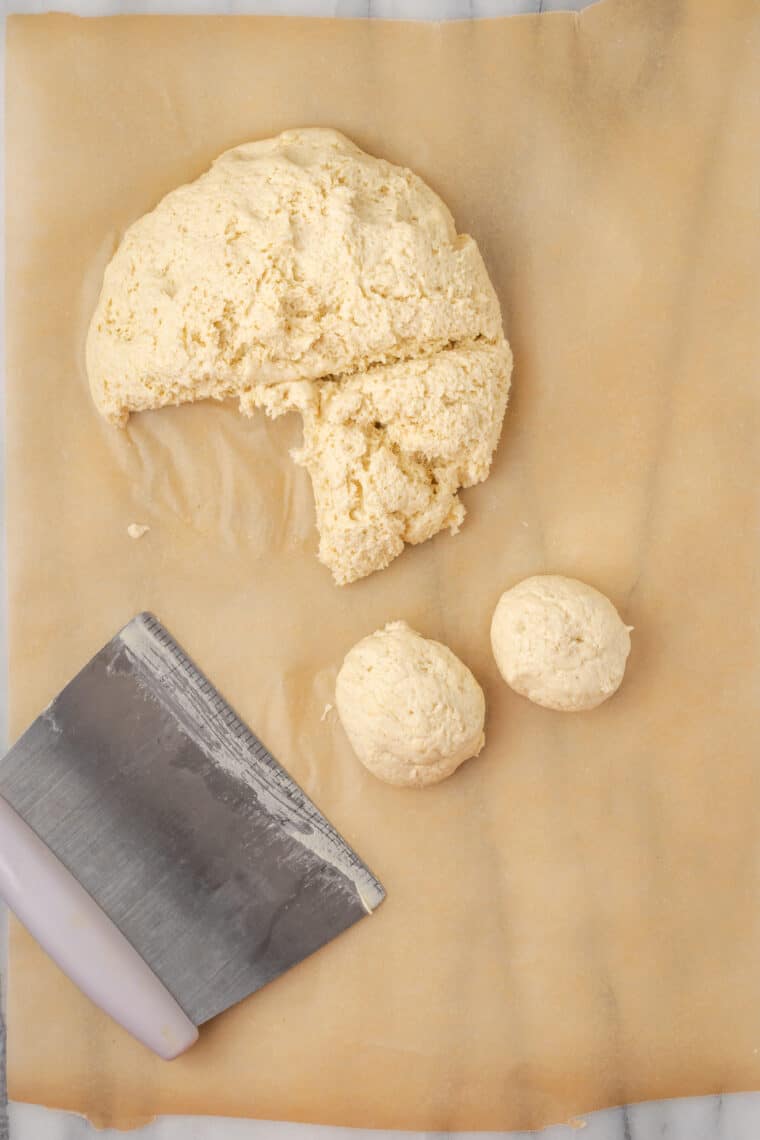
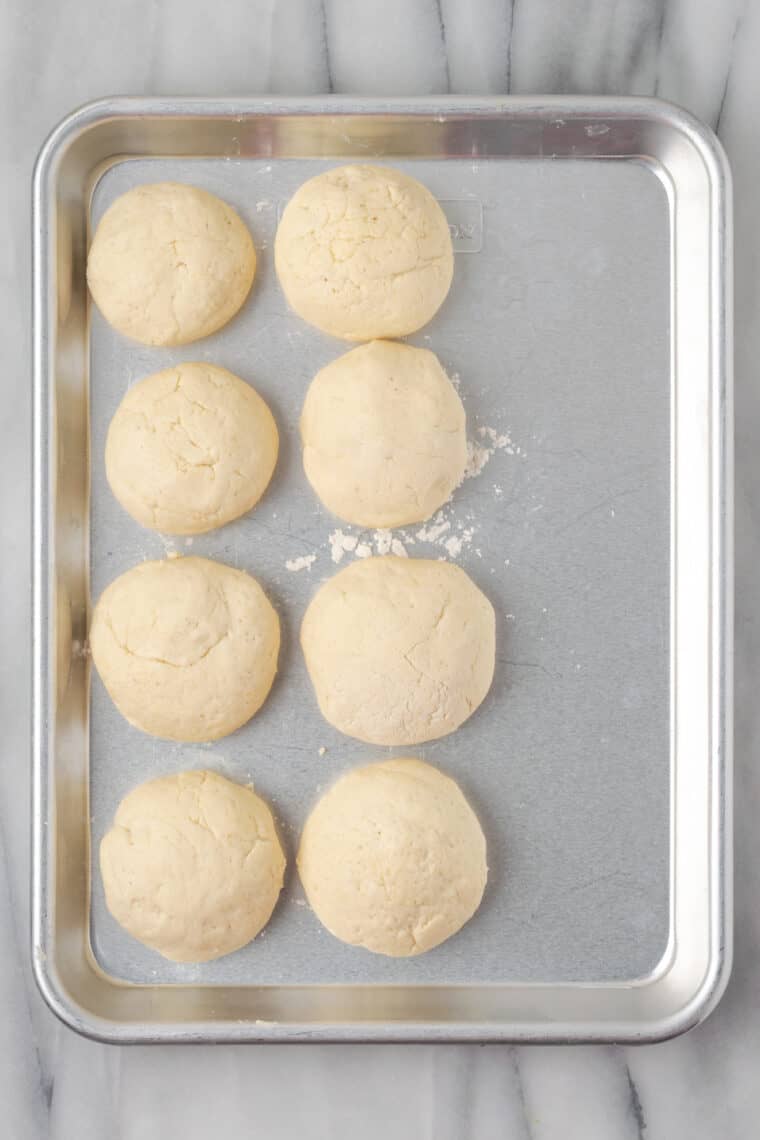
- Heat a skillet. Heat a cast iron skillet over medium heat. Allow the skillet to get hot for 3-5 minutes before cooking. Add a little oil to the skillet to prevent sticking.
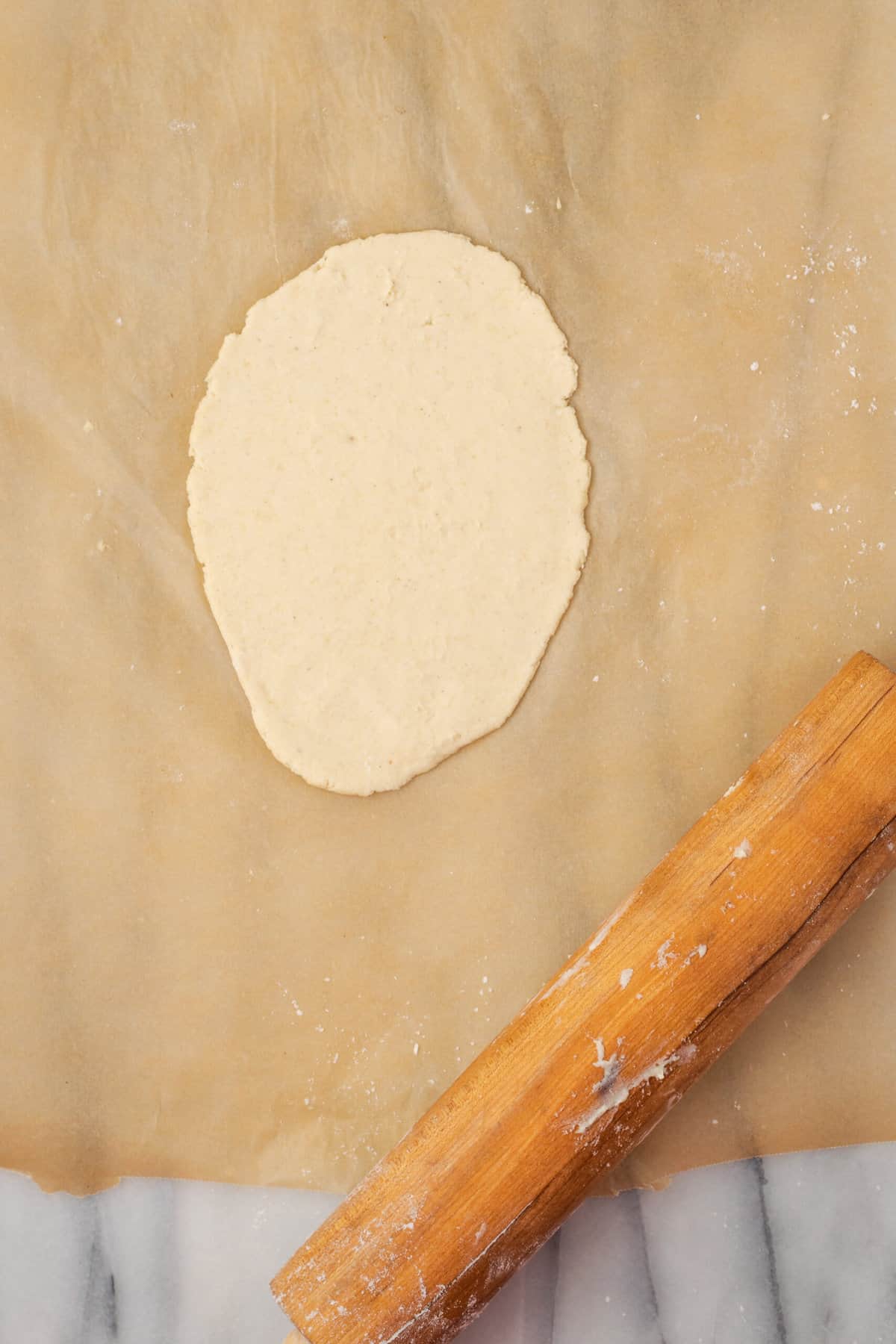
- Roll out the dough. Working with one dough ball at a time, roll the dough ball out into a large oval or circle as thin as you can get it (around ⅛” thick). Use a little flour if necessary to prevent sticking.
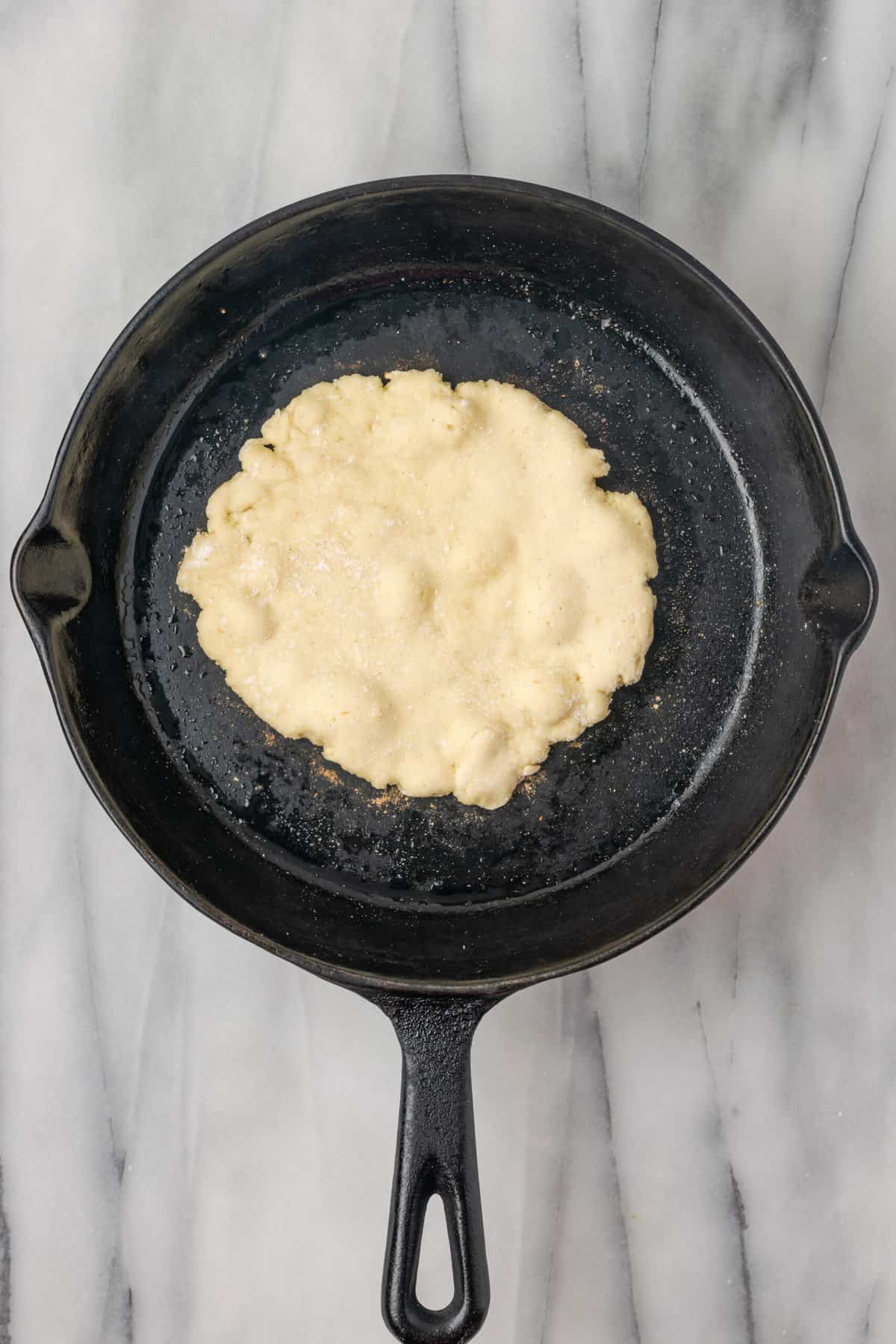
- Cook the naan. Carefully place the flattened dough in the hot skillet. It should start to cook immediately. The first side needs to cook for 2-3 minutes, but pay attention – if you smell burning then it is done cooking. You should see some air bubbles appearing in the dough.
- Flip the naan. Now flip the naan over and cook the second side for 1-2 minutes. Press down on the naan with a spatula to get the characteristic blackened bubbles on the second side.
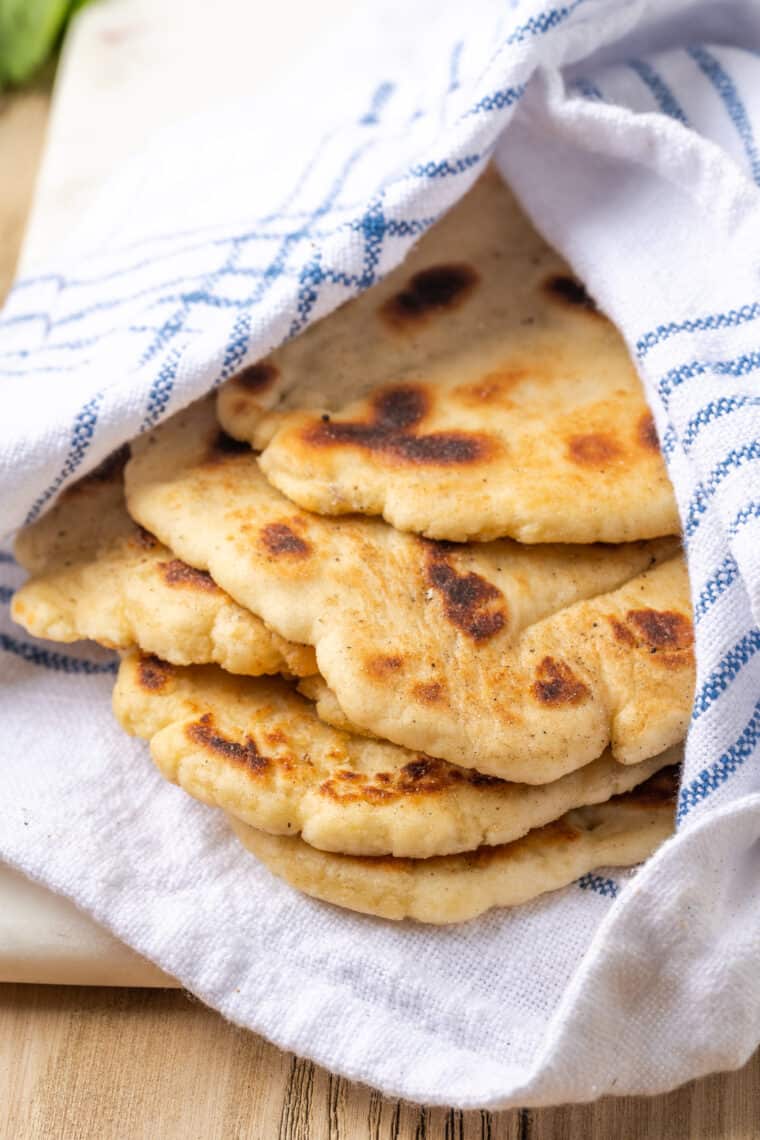
- Keep it warm. Remove the cooked naan and wrap it in a clean dish towel to keep it warm and soft while you cook the remaining dough. Note: You may need to adjust the temperature or stop to clean the pan if you notice sticking or burning.
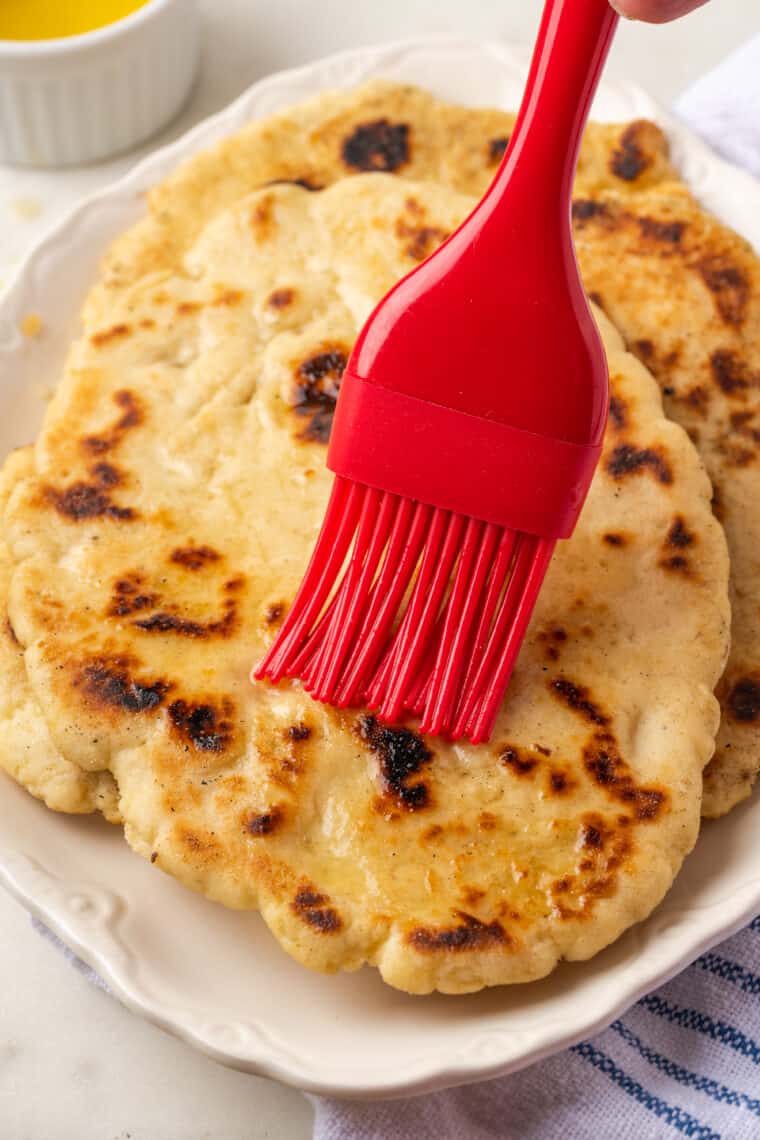
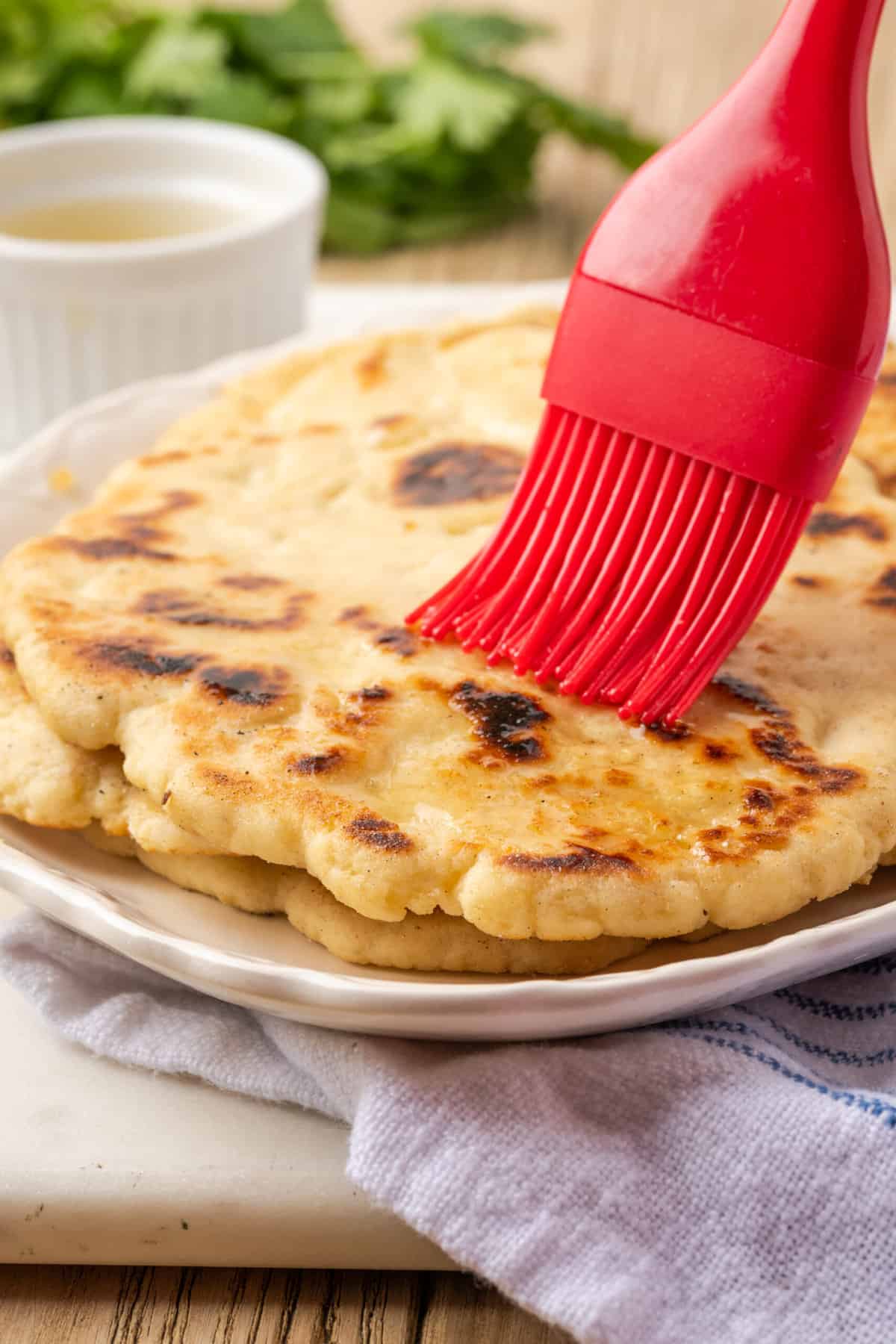
- Add toppings. Top the naan with melted butter, chopped cilantro and chopped garlic (or other flavors of your choice).
Tips for Success
Making gluten-free bread can sometimes feel intimidating, but it doesn’t have to be! Here are a few tips to help you make perfect naan bread:
- Make sure the dough rises fully. If you can fully proof your dough, you’ll end up with a more chewy and bread-like gluten-free bread. Find a warm spot in your house – it doesn’t have to be the kitchen – to set the dough. Check it after about 15 minutes to see if it’s starting to puff up. If it’s not, move it to a warmer spot to proof.
- Use fresh yeast. This one goes hand-in-hand with making sure the dough rises enough. Old yeast is often a culprit in lackluster bread. The easiest way to ensure better gluten-free bread is to check the expiration date on the yeast package. If it’s past the sell-by date, ditch it and start with a fresh packet.
- Don’t skip the xanthan gum or psyllium husk. Both of these ingredients work together with the gluten-free flour blend to create a stretchy, pliable dough that cooks up into nicely puffed, chewy naan bread.
- Add garlic to the dough to make garlic naan. Plain naan is wonderful and goes with so many dishes. But adding garlic really boosts its flavor! You can add minced garlic to the dough along with the wet ingredients. To make an even more garlicky naan, roast a few cloves of garlic and mix the soft garlic paste into the dough before cooking it.
- Use a cast iron skillet. This is the best type of pan to be able to get it to the high temperature for properly cooking the naan. You’ll find that having a cast iron pan in your collection will come in handy for so many things!
FAQs
Naan is a type of yeast-risen flatbread typically found in India and other South and Central Asian countries. It can be cooked in the oven, a brick oven, on the stovetop, or in a hot clay tandoor oven.
Traditional naan is not gluten free, as it is usually made with wheat flour. However, this gluten free naan bread recipe uses a 1:1 gluten free flour blend plus a few extra ingredients to achieve that same chewy, pillowy texture without wheat.
Yes, traditional naan is made with wheat flour, so it contains gluten. This recipe is a gluten-free version designed to recreate the texture and flavor of classic naan.
How to Store Naan
Naan bread tastes the best right after you pull it off the cast iron pan. But if you have leftovers, here’s how to store them:
- Counter – Store naan bread on the counter in an air-tight container or sealed plastic bag with a piece of parchment or wax paper in between each piece for up to 2 days. Reheat naan in a toaster or on a skillet over low heat.
- Fridge – You can store naan in an air-tight container or plastic bag in the fridge for up to 3 days. To reheat, toast for a few minutes in the toaster oven or gently warm it on the stove in a cast iron pan set over low heat.
- Freezer – Place cooked and cooled naan bread pieces in a freezer-safe bag. Separate each piece with parchment or wax paper. Then place the bag in the freezer and freeze for up to 3 months. Defrost the bread in the fridge before using.
Make it a Meal
Most people think about serving naan with Indian meals like Butter Chicken. But you can serve this naan recipe with a variety of dishes, either by using it as a wrap or as a bread accompaniment. Here are some of my suggestions for how to eat naan bread:
- More Indian-inspired dishes. You can also go with Quick Chicken Curry or Tandoori Chicken Legs and a side of basmati rice.
- Wrap up meat. Take a piece of naan and wrap it around the beef from my Grilled Teriyaki Steak Skewers recipe. Garlic naan bread is particularly great with steak!
- With chicken. Instead of potatoes or rice, why not try a pile of naan with my Air Fryer Rotisserie Chicken? Or you could swap naan bread for tortillas in my Baked Chicken Tacos recipe.
- Make flatbread pizzas. You can also top your naan with Marinara Sauce, mozzarella cheese, and your favorite pizza toppings, then pop it in the oven for a few minutes.
- Dip in stew or chili. Doesn’t that sound cozy? I have so many great options that would go perfectly with gluten free naan bread, including Instant Pot Black Eyed Peas, Instant Pot White Chicken Chili, or Cozy Crockpot Beef Stew.
- Spread with hummus. A generous portion of hummus atop naan is the best. Try my Classic Hummus on top of freshly cooked naan bread. Or use your favorite store-bought hummus and top it with fresh avocado slices for an appetizer or light lunch.
More Gluten Free Bread Recipes to Try
Gluten-Free Naan Bread
Ingredients
- 2 ¼ cups (280 grams) gluten free 1:1 flour (recommended: King Arthur's Measure for Measure)
- 2 ¼ teaspoons instant yeast (one 1/2 oz. packet)
- 1 teaspoon granulated sugar
- ½ teaspoon salt
- ½ teaspoon xanthan gum
- ¼ teaspoon psyllium husk
- 1 large egg
- ⅓ cup (80 grams) plain yogurt
- 2 tablespoons (28 grams) butter, melted
- ¾ cup lukewarm milk or water
- additional melted butter, cilantro, and chopped garlic for topping , optional
Instructions
- Combine 2 ¼ cups (280 grams) gluten free 1:1 flour, 2 ¼ teaspoons instant yeast, 1 teaspoon granulated sugar, ½ teaspoon salt, ½ teaspoon xanthan gum, and ¼ teaspoon psyllium husk in the bowl of a stand mixer fitted with the dough hook attachment. Mix until combined.
- In a small bowl, whisk 1 large egg. Add ⅓ cup (80 grams) plain yogurt and 2 tablespoons (28 grams) butter, melted to the egg and whisk until smooth.
- Pour the egg mixture into the dry ingredients and stir on low speed until incorporated.
- With the mixer still on low, slowly stream in ¾ cup lukewarm milk or water. Mix until the liquid is mostly incorporated. Scrape down the bowl.
- Turn the mixer to medium speed and allow it to mix for 5 minutes. The dough should be sticky but not wet.
- Transfer the dough to a clean bowl that has been coated with oil. Cover and let rise for 1 hour in a warm place.
- Once the dough has doubled in size, turn it out onto your work surface. It should still be a little sticky but able to be handled. If it seems too wet, add 1-2 tablespoons of flour to the surface and the top of the dough.
- Divide the dough into 8 pieces and roll them into a ball. Handle the dough gently so as not to deflate the rise. Place the dough balls on a plate or tray and cover them until ready to cook.
- Heat a cast iron skillet over medium heat. Allow the skillet to get hot for 3-5 minutesbefore cooking. Add a little oil to the skillet to prevent sticking.
- Working with one dough ball at a time, roll the dough ball out into a large oval or circle as thin as you can get it (around ⅛” thick). Use a little flour if necessary to prevent sticking.
- Transfer the flattened dough to the hot skillet. It should start to cook immediately. The first side needs to cook for 2-3 minutes, but let your nose be the guide. If you smell burning then it is done cooking. You should see some air bubbles appearing in the dough.
- Flip the naan over and cook the second side for 1-2 minutes. Press down on the naan with a spatula to get the characteristic blackened bubbles on the second side.
- Remove cooked naan and wrap it in a clean dish towel to keep it warm and soft while you cook the remaining dough. Note: You may need to adjust the temperature or stop to clean the pan if you notice sticking or burning.
- Top the naan with additional melted butter, cilantro, and chopped garlic (or other flavors of your choice), if desired.
Notes
Did you make this?
Leave a star rating to help others know that they should make this recipe.
Share a photo and tag @cupcakesandkalechips on Instagram!
Can this be made without any dairy? I’m sensitive to gluten and casein so I can use ghee to replace butter, but what’s a good replacement for yogurt?
I haven’t tested it with a dairy-free yogurt. You can try a coconut yogurt, but the dough may end up a bit softer since non-dairy yogurt can often be thinner.