
Does Corn Have Gluten? What to Know About Fresh Corn, Cornmeal, Popcorn, and More






Is Corn Gluten Free? Yes. Plain corn is naturally gluten free and safe for most people with celiac disease or gluten sensitivity. However, some corn products may contain gluten ingredients or become cross-contaminated during processing, so it’s important to know which ones are safe. Keep reading for everything you need to know, plus over 15 gluten free corn recipes to enjoy!
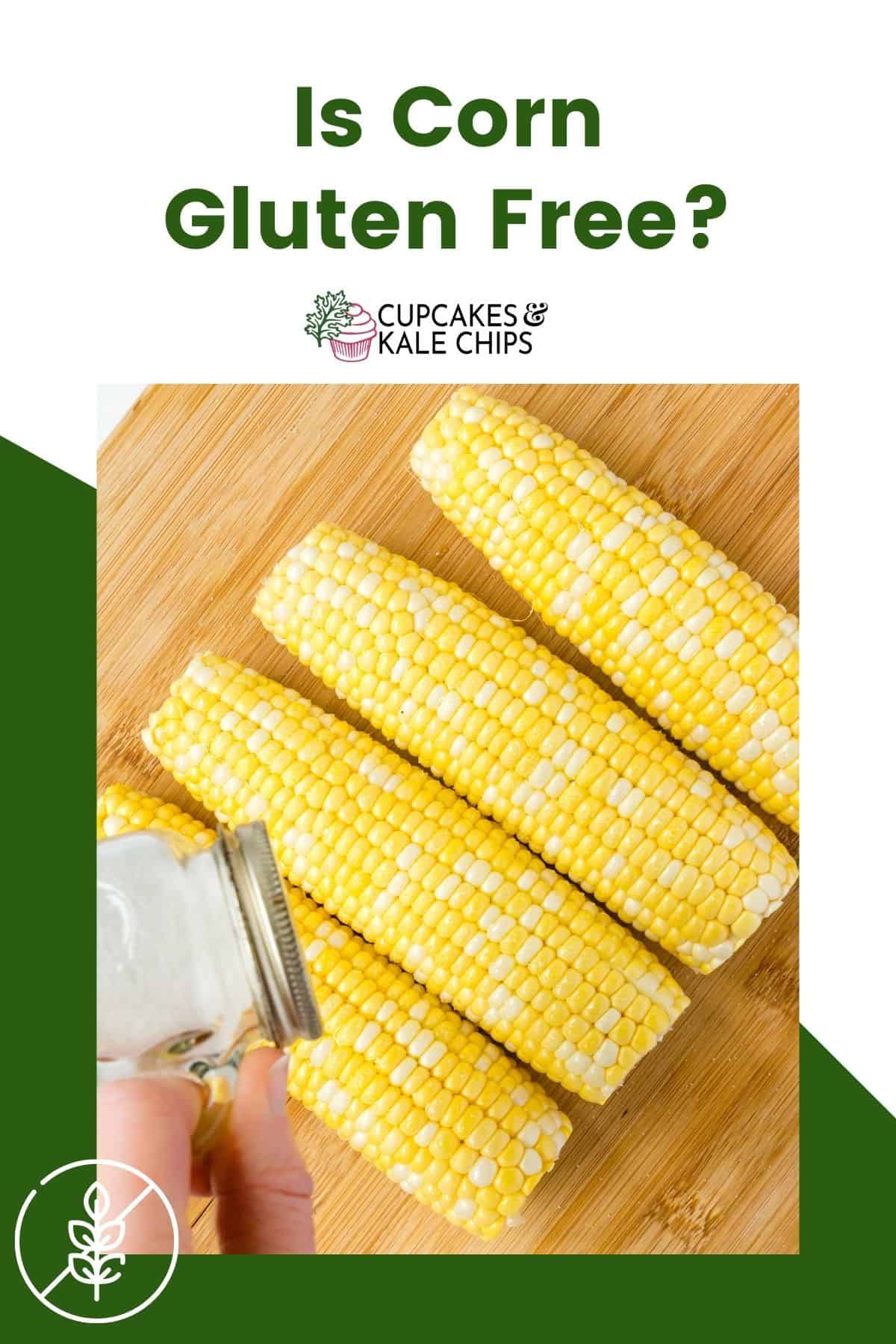
Is Corn Gluten Free?
Your quick answer…
No. Plain corn does not contain gluten. Fresh corn, frozen corn, and plain popcorn are naturally gluten free. However, some processed corn products may contain gluten ingredients or be cross-contaminated during manufacturing, so always check labels if you need to avoid gluten
✅ Fresh corn
✅ Frozen corn
✅ Popcorn
✅ Cornmeal *
✅ Corn flour *
✅ Masa harina *
✅ Cornstarch *
⚠️ Creamed corn (some brands)
⚠️ Seasoned canned corn (some brands)
⚠️ Corn muffins or bread (unless specifically labeled gluten free)
⚠️ Breaded corn products (unless specifically labeled gluten free)
*Look for certified gluten-free labels if you have celiac disease.
Despite the name, “corn gluten” is not the same protein found in wheat, barley, or rye. Plain corn is naturally gluten free and safe for most gluten-free diets.
Now, let’s get into more specifics…
Most plain corn products are naturally gluten free. And, as long as they’re free from risks like cross-contamination, many products made from corn are also fine to eat. In fact, many gluten-free baked goods and gluten-free pasta are made from ingredients like corn flour and cornmeal. But if you have celiac disease, look for certified gluten-free labels on processed corn products like cornmeal and corn flour whenever possible.
You see, not all corn products are necessarily safe for gluten-free diets. This can be due to cross-contamination, additives, and other not-so-obvious ingredients in corn recipes that may contain gluten. If you have celiac disease or non-gluten sensitivity, it’s important to know what to look out for to ensure a product isn’t a surprising source of gluten.
Now let’s take a closer look at which corn products are gluten free and which ones deserve a second look. Let’s discuss these along with some other corn-cerns below. Plus, I’ve rounded up over 15 gluten-free recipes made with fresh corn that you can try down below in the post!
Related: Is Rice Gluten Free?
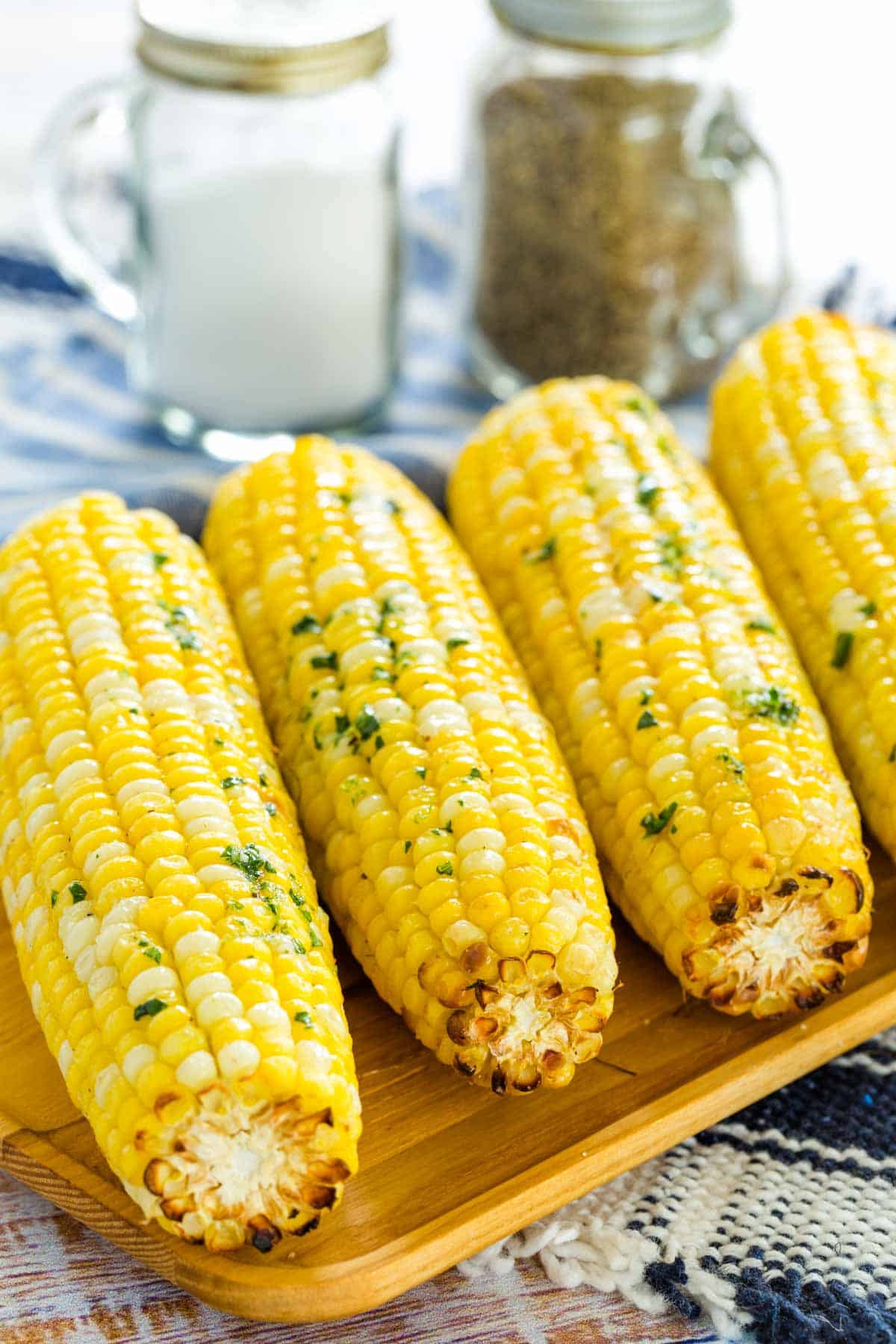
Processed Corn Products
It’s best to err on the side of caution when shopping for processed corn products, and never assume that a product is free from gluten simply because it’s made with corn. As always, the first choice is to look for products that are labeled or certified gluten-free. If needed, check with the manufacturer to be sure of a product’s gluten-free status before you use it.
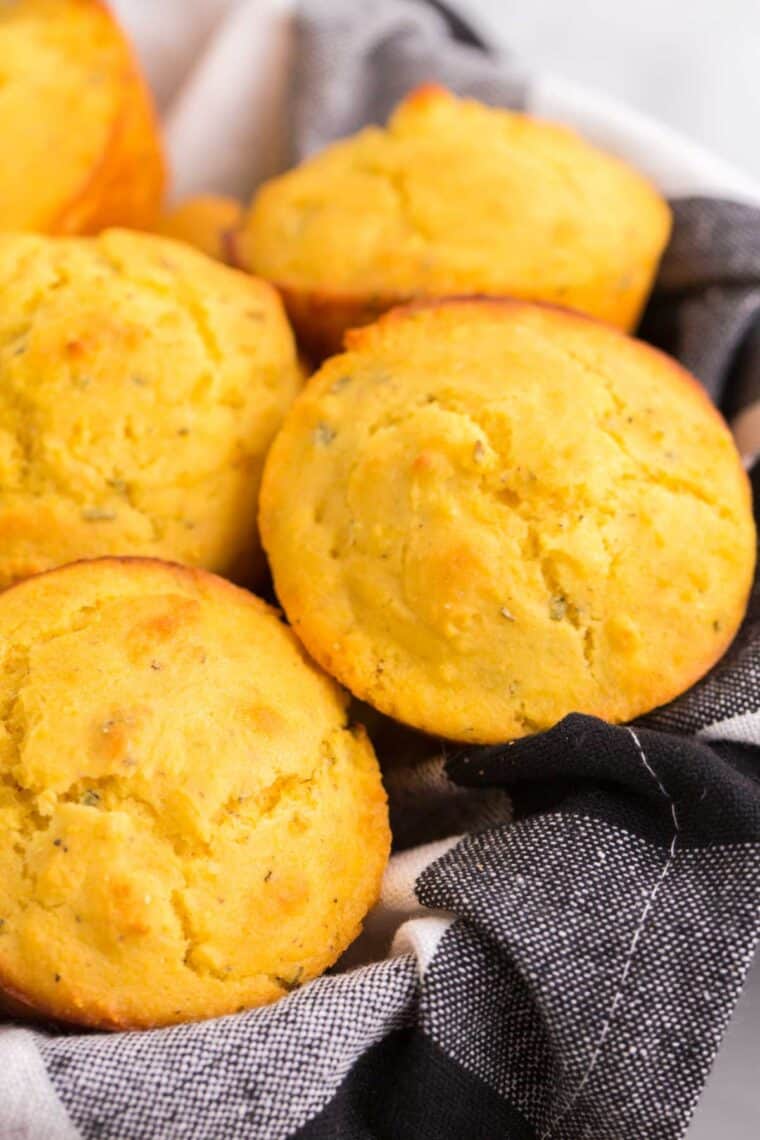
Examples of some maybe-not-so-gluten-free commercial corn products include corn muffins, which are often made with wheat flour in addition to cornmeal. Another culprit is creamed corn (the kind that comes in cans). Canned cream corn often gets its thick, creamy consistency from additives like starches, and its flavor from seasonings or sweeteners, which may contain gluten. So, always check those labels.

Other Kinds of Corn
While some types of processed corn aren’t always gluten-free, there are many variations of corn that are considered safe to eat. You’ll even find some of them as an alternative to wheat products in many recipes. Let’s have a look at some of the more common ones:
Cornstarch
Cornstarch, also called maize starch, is made by grinding up the starchy part of corn grains into a fine powder. In its natural form, cornstarch is gluten-free. You’ll see it is often used as a thickener for soups, gravy, and sauces like this Gluten Free Cheese Sauce. Cornstarch is also frequently used in gluten-free flour blends.
Corn Flour
Like cornstarch, pure corn flour is naturally gluten-free and often used in gluten-free baked goods. However, due to the risks of cross-contamination (more on this below), always look for corn flour with gluten-free labeling.
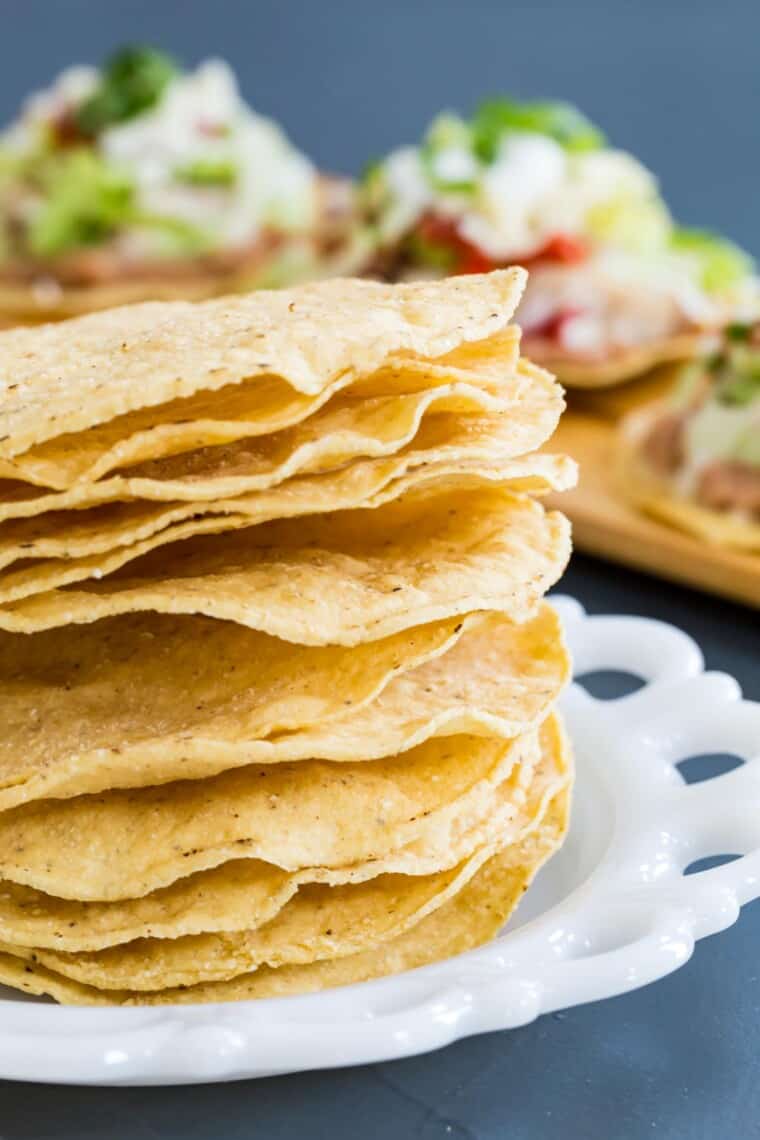
Masa harina is a special type of corn flour that is soaked and cooked in an alkaline lime water that changes the structure so that it can form a dough with water for making Corn Tortillas that can then be turned into Tostada Shells or Tortilla Chips.
Cornmeal
Cornmeal is a coarse maize flour and is also considered to be gluten-free. It’s used in recipes like Gluten-Free Cornbread and Polenta Fries. Like corn flour, always check if the cornmeal you’re using is labeled gluten-free, as this ensures that it was manufactured on gluten-free production lines.
Is Popcorn Gluten Free?
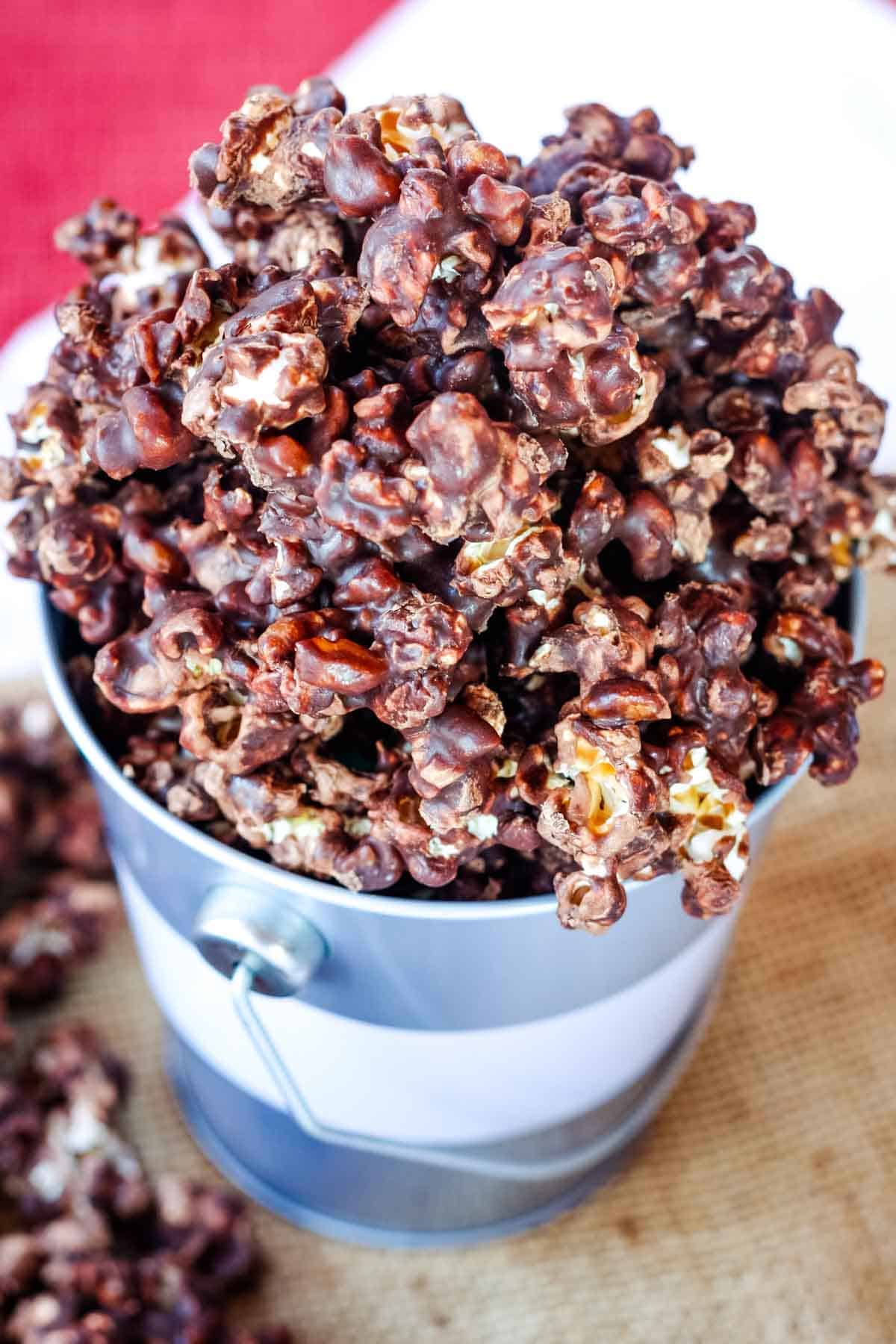
Like corn that comes off the cob, whole-kernel, unpopped popcorn is naturally free from gluten. It helps to pop it yourself at home to ensure that your crunchy snack stays gluten-safe! You can make your own popcorn using a popcorn machine, the microwave, or on the stovetop. It’s easy to play around with flavors, like Bourbon Pecan Chocolate Popcorn or this Green Popcorn with mint and chocolate.
If you’re buying bagged popped popcorn, or unpopped bags of microwave popcorn, always check the labels to be sure it’s free from flavorings or additives that might contain gluten.
Cross-Contamination
Cross-contamination is always a risk when it comes to gluten-free foods, not just corn. This is because many products and even whole foods, while naturally gluten-free, occasionally come into contact with gluten-containing ingredients during the manufacturing process. With corn, this can happen during harvest, during processing, or during packaging if it shares production lines with other grains such as wheat, barley, and rye.
For this reason, if you’re especially sensitive to traces of gluten, make sure to buy only certified gluten-free corn products. These products are produced in gluten-free facilities where there isn’t a risk of cross-contamination.
Is Corn Safe For Celiacs?
While corn is a type of grain, it’s from a different family than wheat, barley, and rye. Corn does contain what’s referred to as “corn gluten,” however, this is not the same type of gluten that people with gluten sensitivity and celiac disease need to avoid.
In spite of this, there’s an ongoing debate in the gluten-free community as to whether people with celiac disease should avoid corn. If you’re celiac and aren’t sure, or if you’ve eaten corn and suffered from side effects, check with your doctor. There’s a chance that you may have a corn allergy or sensitivity to corn, which calls for a professional diagnosis.
For most people with celiac disease, plain corn is a safe and versatile gluten-free grain. Just remember to choose certified gluten-free processed corn products whenever possible and always check labels. And consult your doctor if you’re concerned about whether corn is the right choice for you.
Learn more: Beyond Celiac
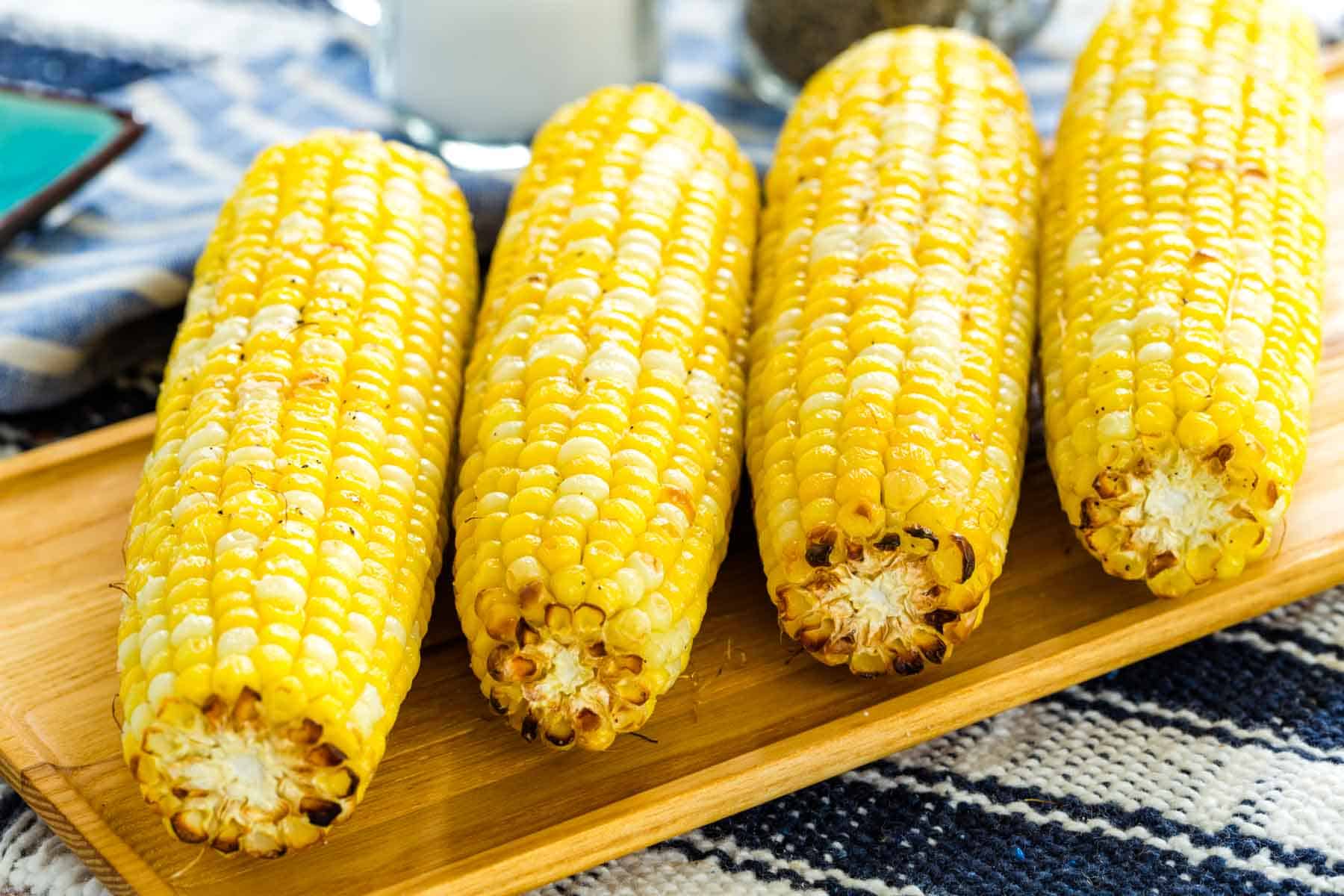
15+ Easy Gluten-Free Corn Recipes
Here you’ll find some delicious sides, lunches, and dinners made with corn that you can try today. These recipes are full of flavor, family-friendly, and perfect for summer when corn is in season. And just as good all year round!

Air Fryer Corn on the Cob
Mexican Street Corn
Chicken Corn Chowder
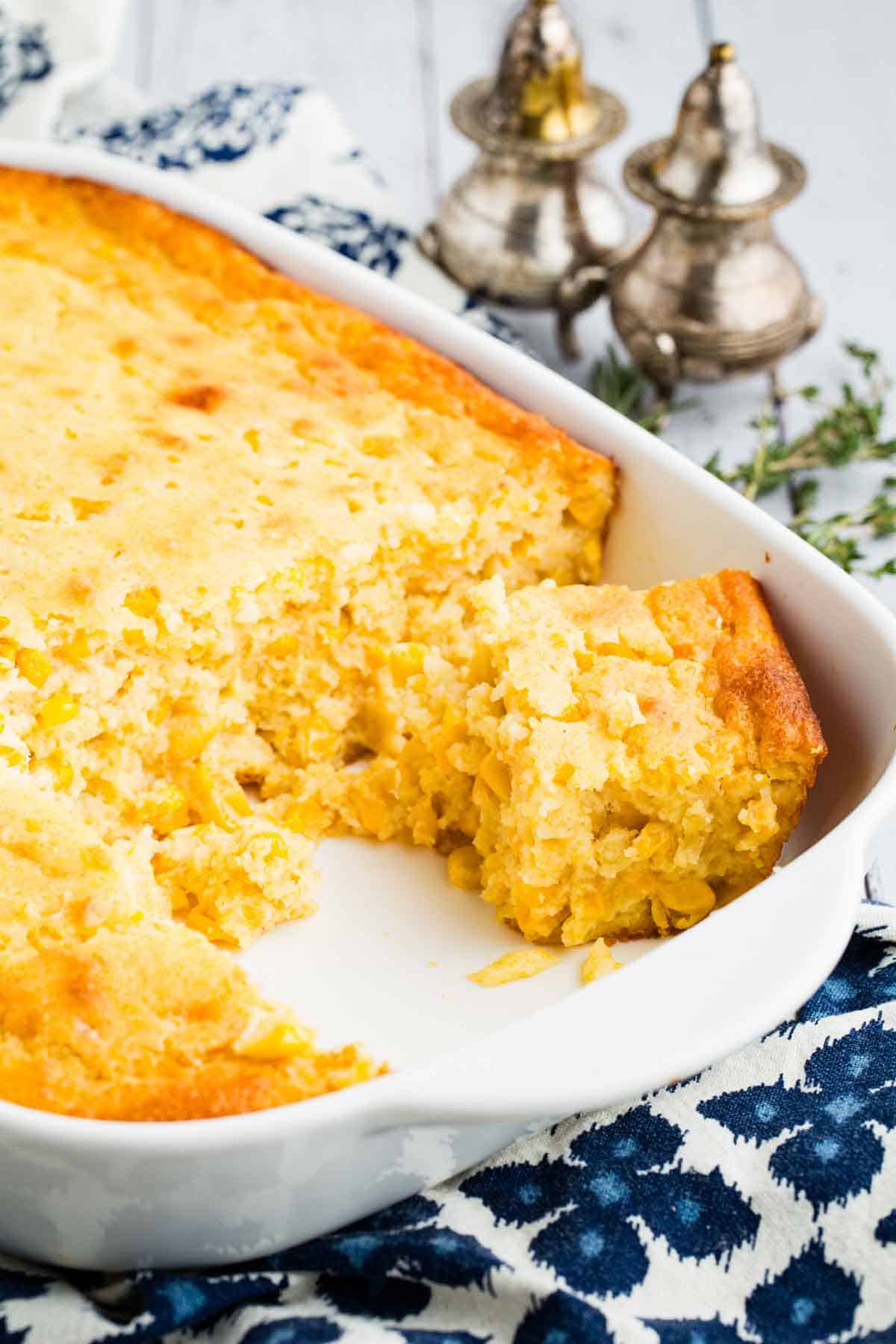
Gluten Free Corn Casserole
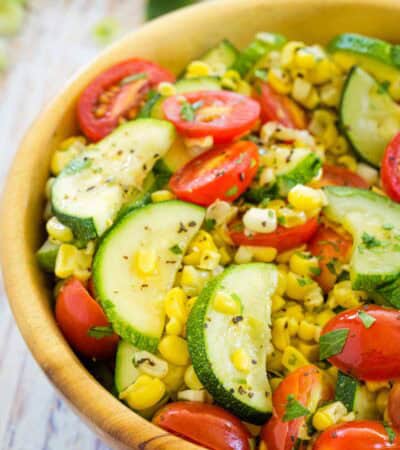
Sauteed Summer Vegetables
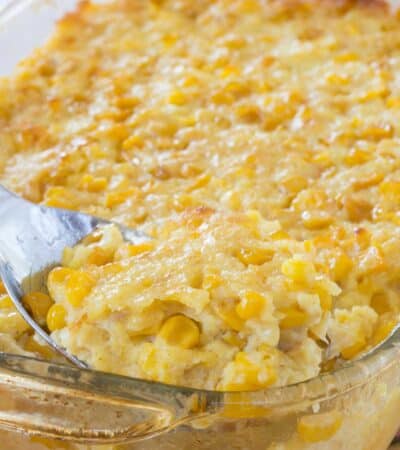
Corn Pudding
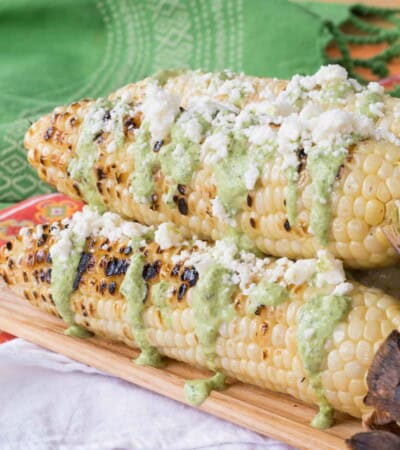
Peruvian-Style Grilled Street Corn
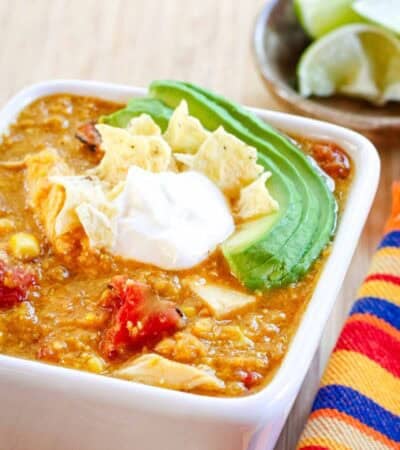
Mexican Chicken Corn Chowder
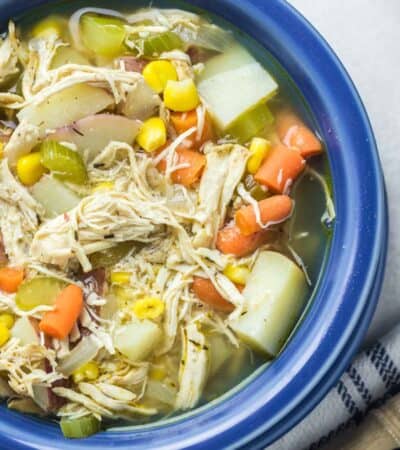
Rotisserie Chicken Soup
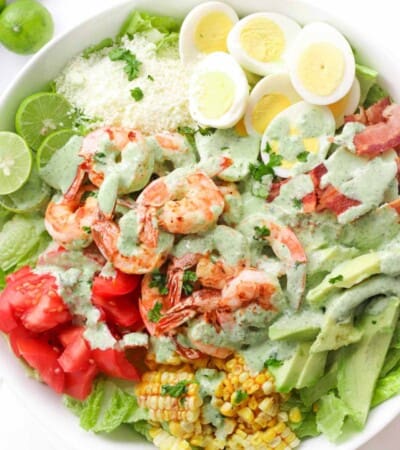
Southwest Shrimp Cobb Salad
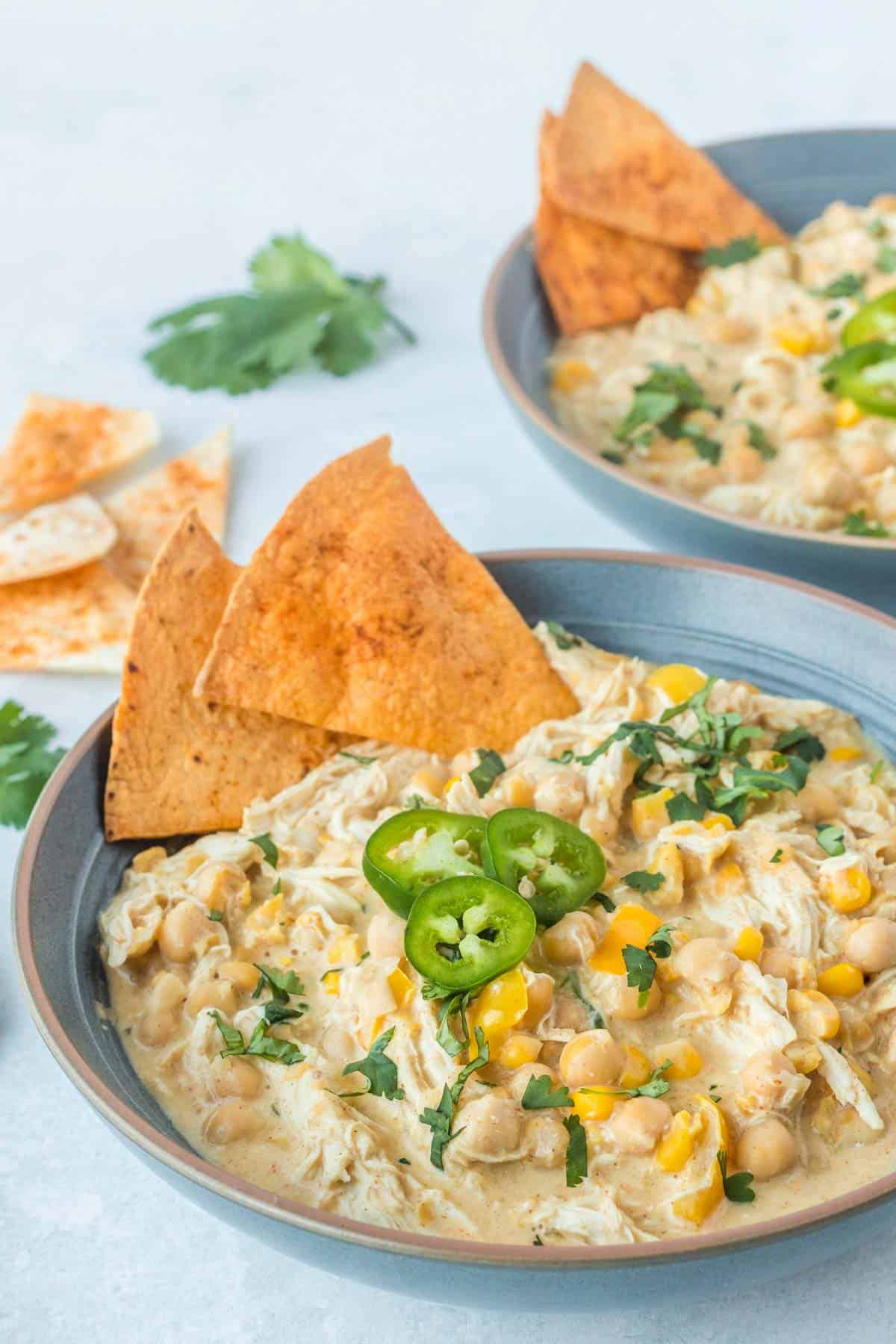
Instant Pot White Chicken Chili
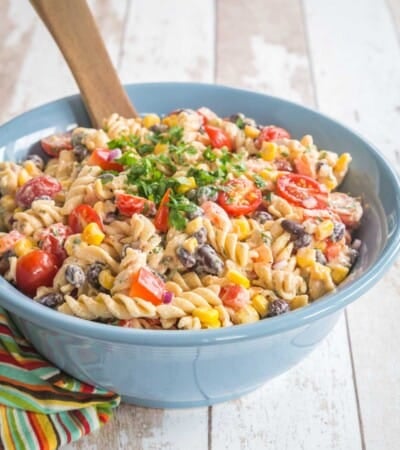
Mexican Pasta Salad
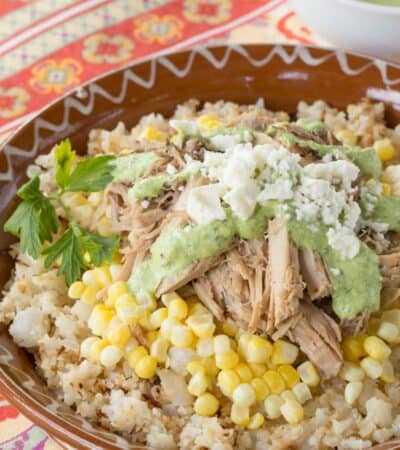
Slow Cooker Peruvian Pulled Pork Bowls
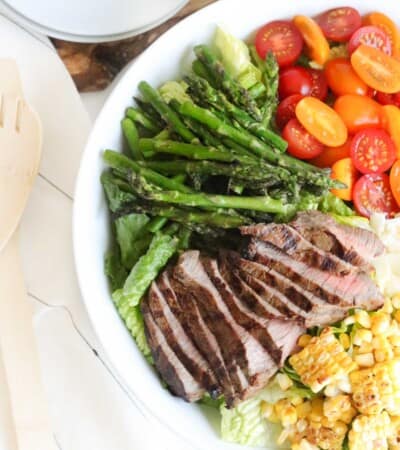
Grilled Steak Salad

Shrimp and Mashed Potatoes Bowls
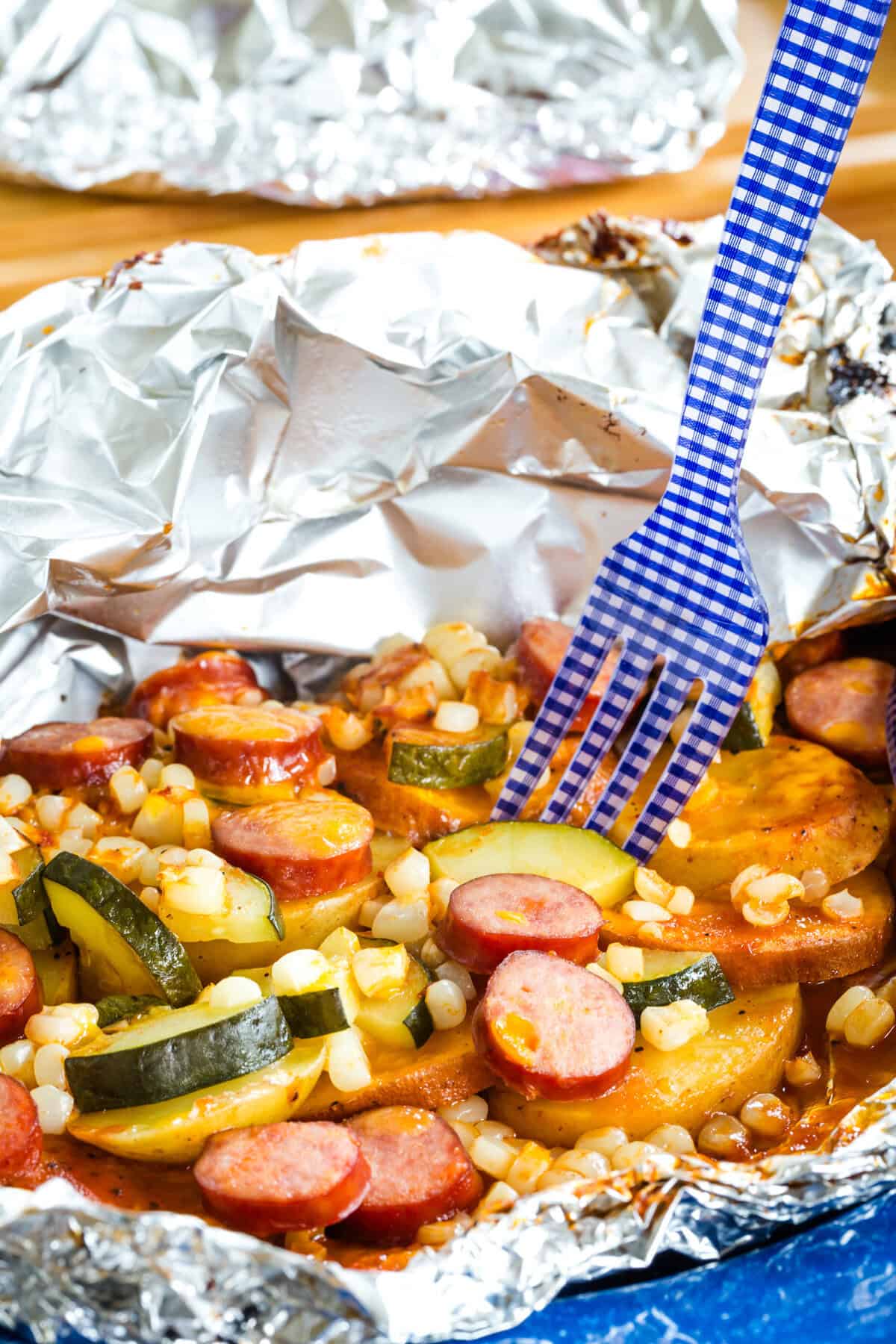
BBQ Sausage Foil Pack Dinner
If you’re new to going gluten-free, visit my gluten-free resources for more helpful guidance and tips. Don’t forget to check out my recipe finder for even more recipes made with your favorite gluten-free ingredients!