
Gluten-Free Pizza Recipes



You’re going to love these gluten-free pizza recipes! Make the best gluten-free pizza that’s saucy, cheesy, and super tasty right at home. Try these pizzas as they are, or customize them with your favorite toppings!

Whether you gave up gluten by choice or by necessity, that doesn’t mean you need to give up one of life’s greatest pleasures: Pizza. Fresh from the oven, too. And when it comes to enjoying a gluten-free pizza exactly the way you like it, homemade is the way to go.
Gluten-free pizza can be just as crisp, chewy, cheesy, and delicious as the original. And it’s crazy easy to make your own, which is why I’ve rounded up my favorite gluten-free homemade pizza recipes.
How Is Gluten-Free Pizza Different?
The main difference between a regular pizza recipe and gluten-free pizza is the gluten-free flour used to make the dough. To be gluten-free, your pizza dough must be free from wheat, barley, and other gluten-containing products. I have a homemade gluten-free pizza dough that I use as a base for many of the recipes below. As you’ll see, when it comes to taste and texture, a gluten-free pizza that’s made properly can be just as good, if not better!
Of course, the other ingredients used to make the pizza must also be completely free from gluten for it to be 100% safe for those with allergies or intolerances.
Ingredients to Watch Out For
It’s important to know that the ingredients you’re using to make your pizza are, in fact, gluten-free. And unless you’re buying 100% certified gluten-free ingredients, it’s not always obvious when a product contains traces of gluten. Be sure to check those labels!
Here are some ingredients I’ve come across that warrant double-checking:
- Yeast: Most commercial baker’s yeast (including active yeast and instant yeast) is free from gluten. However, other types like brewer’s yeast, for example, are a byproduct of malt and should be avoided. If you want to be sure, look for yeast sachets that are labeled accordingly.
- Pizza Sauce: You might be thinking, pizza sauce, really? Isn’t that just tomatoes? And the truth is, not all store-bought pizza sauces are created equal. Sneaky ingredients like emulsifiers, starches, malt flavoring, and other additives in some sauces can contain gluten. If you want to be 100% sure, look for brands that are certified gluten-free or make your own tomato sauce from scratch.
- Toppings: Like sauces, some pizza toppings contain G-who-shall-not-be-named. Especially ingredients like pepperoni, other processed meats, and seasonings that may include gluten or gluten-containing additives.

The Best Gluten-Free Pizza Recipes
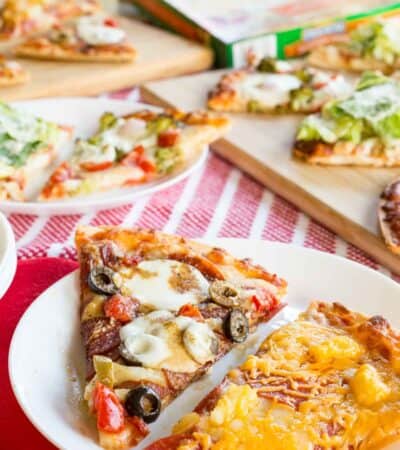
Try these easy homemade pizza recipes on your next pizza night! Or, enjoy a freshly baked pizza as a quick and tasty gluten-free dinner idea any day of the week.

Gluten Free Pizza

Gluten Free Supreme Pizza

Gluten Free Pepperoni Pizza

Gluten Free BBQ Chicken Pizza

Gluten Free Hawaiian Pizza

Butternut Squash Pizza

Air Fryer Gluten Free Pizza Rolls
Broccoli Tomato Pizza

Watermelon Fruit Pizza
Is Gluten-Free Pizza Safe for Celiacs?
As always, if you have a particular condition such as celiac disease, I highly recommend consulting your healthcare practitioner to know what’s best for you.
In general, gluten-free pizza that’s prepared with certified gluten-free ingredients (including the sauces and toppings, see below) and that’s baked in a gluten-free oven should be safe for celiacs. Of course, if you’re unsure, it’s always a good idea to seek professional advice.
Make-Ahead Options
Want to get a head start on that gluten-free pizza recipe? There’s more than one way to do it! Pizzas are one of the easiest meals to make ahead, whether you’re preparing the dough, the toppings, or even the whole pizza in advance. Here are some options to consider when making your pizza ahead of time:
- Making the Whole Pizza Ahead: Yes, it’s possible to make your pizza as directed in the recipe, right up until you’re ready to bake it with the toppings. Then store the whole thing airtight in the fridge to take out and bake whenever you’re ready.
- Making the Dough Ahead: Many gluten-free pizza dough recipes can be prepared up to 3 days ahead and stored airtight in the fridge. The dough can be rolled out and shaped straight from the cold.
- Preparing the Toppings: Many pizza toppings can be diced, sliced, and stored a day or two in advance. Ingredients like pepperoni and bacon, or veggies like onions, peppers, mushrooms, etc., can all be prepped and kept in the fridge to make your family pizza night a breeze!
- Par-baking the Crust: While I don’t recommend freezing raw dough that contains yeast (as the subzero temperatures can kill the yeast), your best bet for freezing is to par-bake the pizza crust. Roll out and shape the pizza dough, then partially bake it in the oven for 8-10 minutes. Let it cool, then wrap it tightly and freeze it. Frozen, par-baked pizza crusts will keep for up to 1 month in the freezer. Read more details in my post, The Best Gluten-Free Pizza Crust.
My Favorite Pizza-Making Products
Storing and Reheating Gluten-Free Pizza
- Refrigerate. Leftover baked pizza can be stored airtight (either tightly wrapped or in a container) in the fridge for up to 4 days. I recommend storing pizza slices in a single layer to prevent the toppings from sticking.
- Reheat. Reheat leftover pizza in the oven or toaster oven. This way, the crust has a chance to crisp up again! The microwave also works in a pinch, though I find that the dough and cheese sometimes turn out a bit rubbery. Place your leftover pizza slices in the oven on a baking sheet, and reheat at 350ºF until warmed through.