
Blackening Spice

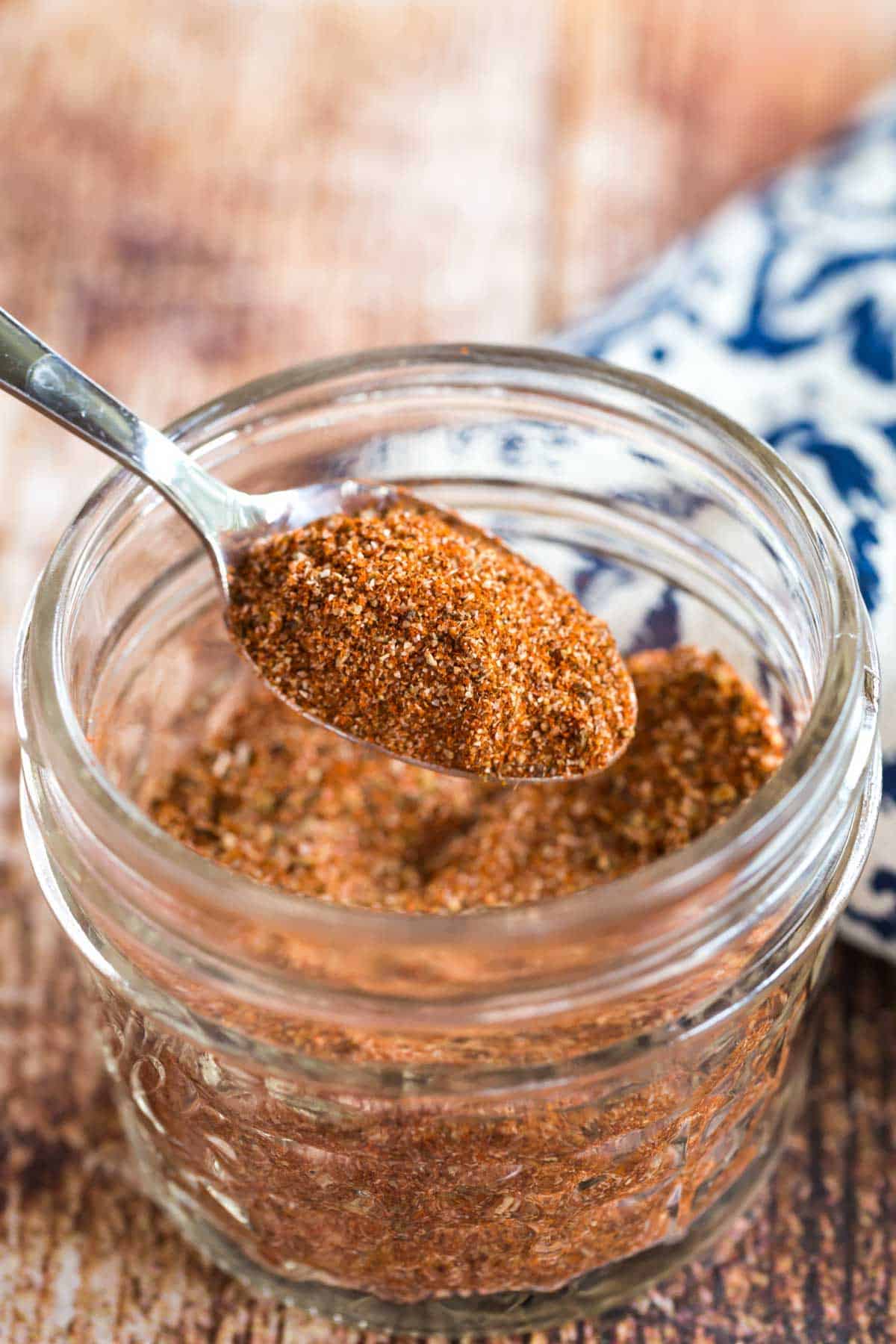
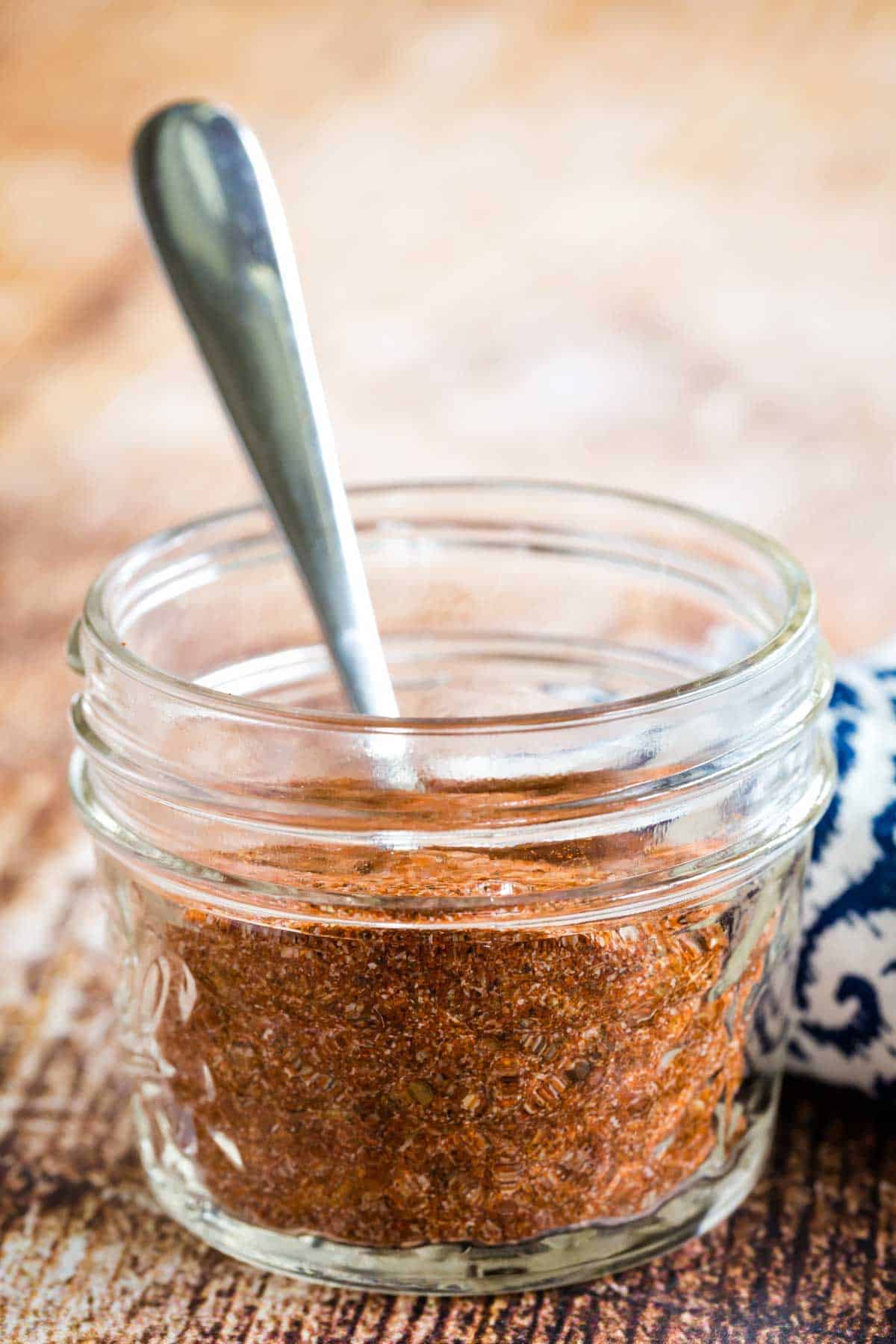
Homemade blackened seasoning is easy to make with staples from your spice cabinet. Full of bold Cajun-style heat, this smoky, spicy blend is perfect for seasoning your favorite blackened recipes, including meat and seafood.
Delicious Details
- Cuisine Inspiration: American (Cajun)
- Primary Cooking Method: No-cook
- Dietary Info: Gluten-free, Dairy-free
- Skill Level: Easy
Blackening is a cooking method that originated in New Orleans, where meat is brushed with butter, dry rubbed with Cajun spices, and cooked quickly in a cast-iron skillet. The combination of fat, spices, and high heat forms a blackened crust, which is where the name comes from. But let’s go back to that blackened spice blend for a minute, because that’s what we’re making today!
Just so we’re clear: Blackened does not mean charred or burned. The crispy “blackened” crust is made up of savory, aromatic spices and herbs, including paprika, garlic, and cayenne, that blend into a versatile seasoning that you can use on blackened chicken and (literally tons) of dishes. The flavor is bold and delicious!
Why You Should Make Homemade Blackened Seasoning
- Simple and flavorful. This Cajun-style spice is easy to make and big on flavor. Like my homemade taco seasoning, making blackened seasoning from scratch is always better than buying it pre-made. The flavor is better, fresher, and you can customize it to your tastes.
- Great to have on hand. I love mixing up a big batch of this blackening seasoning to keep in my pantry whenever inspiration strikes. From chicken to blackened fish and shrimp, it never fails to spice things up in the best possible way.
- No sneaky gluten. Some pre-made spice blends can use fillers that are a source of hidden gluten. Making your own from individual spices and herbs is an easier way to ensure you avoid any cross-contamination.
Recipe Ingredients
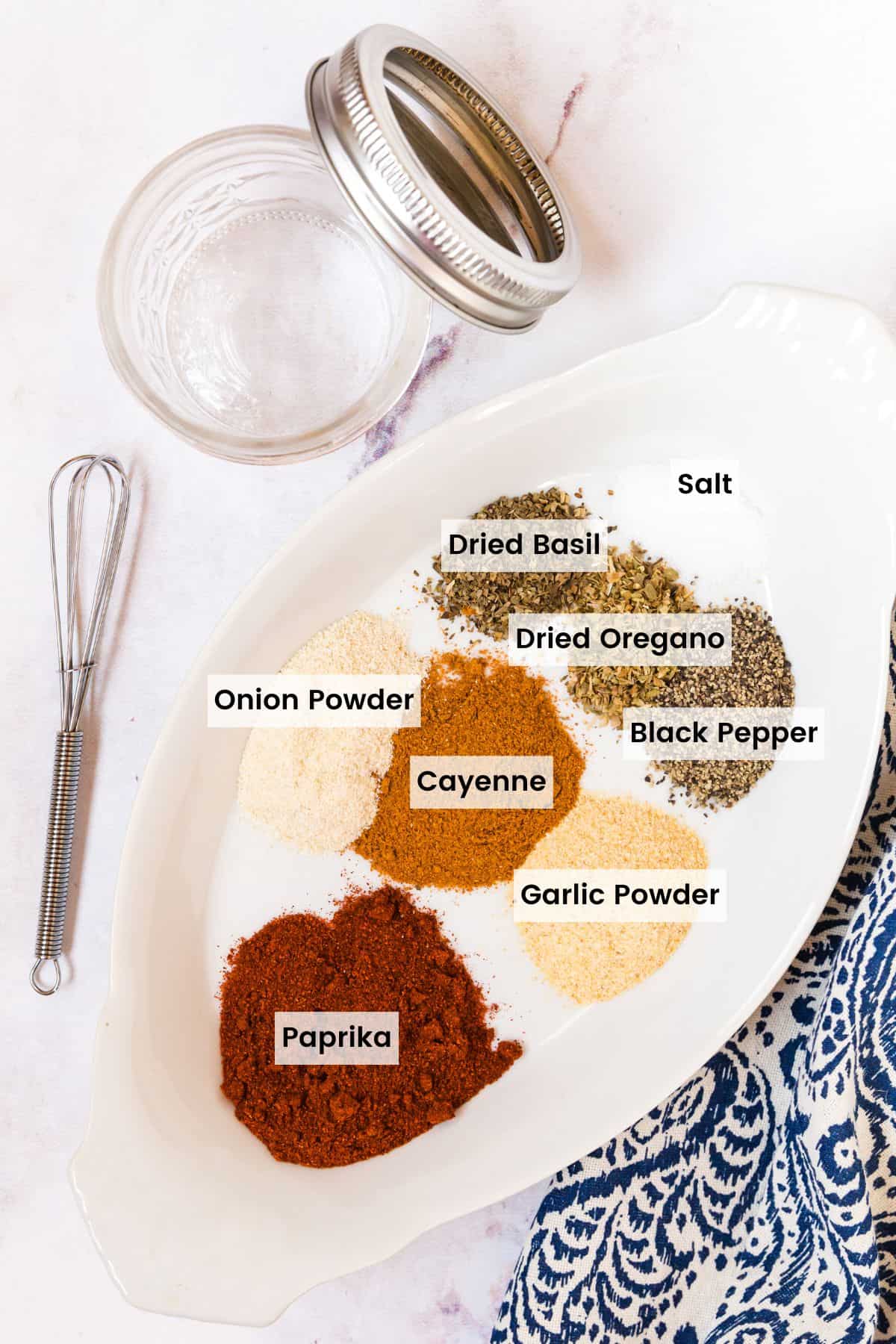
Here’s a rundown of what I used in my blackened seasoning recipe. Keep reading for ways you can customize it to your tastes. Then scroll to the recipe card for the full amounts.
- Heat – The spiciness in this Cajun-style blend comes from cayenne pepper, tamed by mild, earthy paprika. Include more or less cayenne depending on how spicy you like your seasoning. You can also swap out regular paprika for smoked paprika for an extra layer of smoky flavor.
- Aromatics – The combination of the garlic powder and onion powder builds the aromatic flavor base. You can use only one in place of the other if it’s all you have on hand.
- Herbs – I use dried oregano and dried basil for this blend, rounded out with black pepper and salt. Substitute different dried herbs, like thyme and marjoram if you’d like.
How to Make Blackened Seasoning
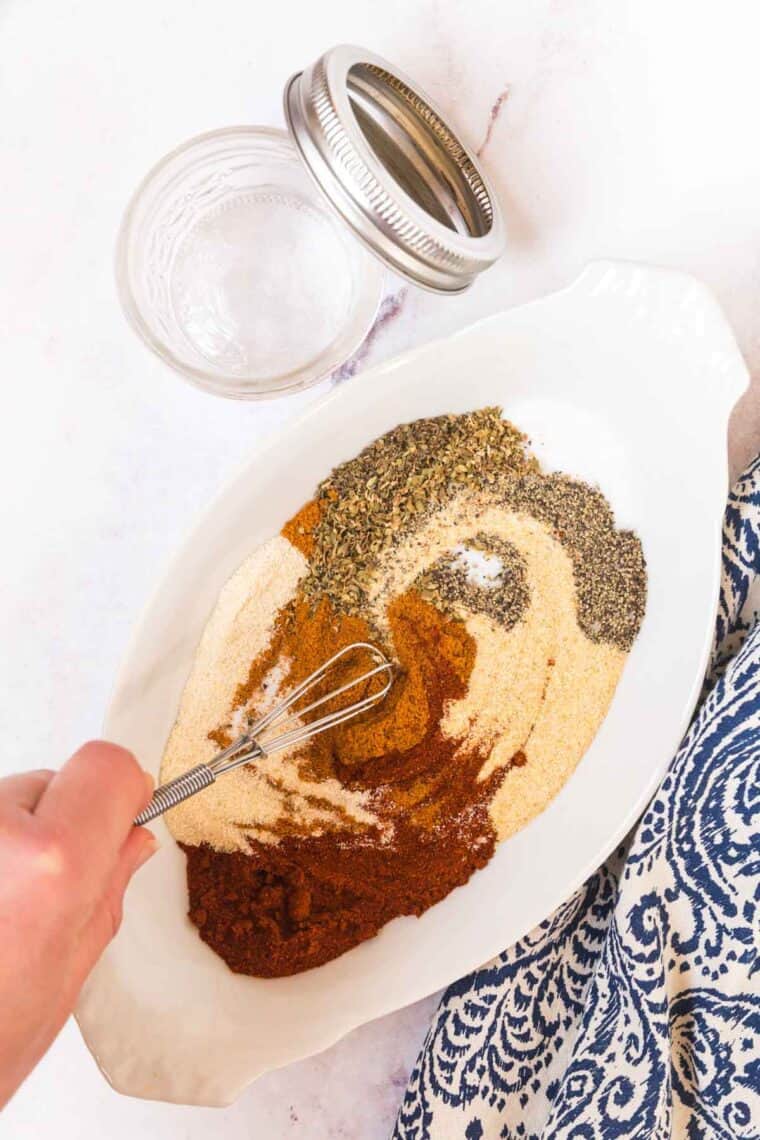
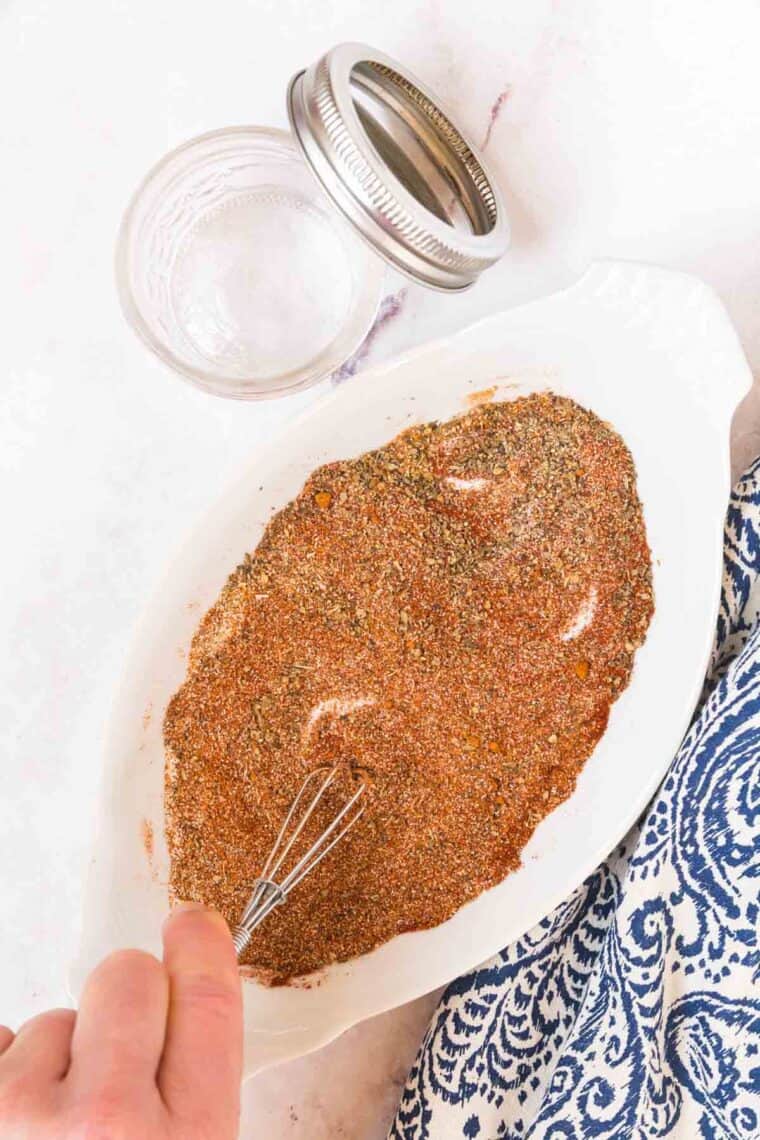
To make blackening spice, combine all the above ingredients in a bowl and mix them together. It takes less than 5 minutes, and now you have a bold, spicy seasoning that you can use for so many recipes! Use your blackening spice right away, or store it in a jar for later use.
Quick Tips
- Save on clean-up. Combine the spices in a ziplock bag or a jar and give it a good shake. Then keep it stored right in the bag or jar.
- Make as much as you need. You can also multiply or divide the recipe as needed, for more or less seasoning.
- Use in place of Cajun seasoning. This homemade blackening seasoning is pretty interchangeable with Cajun seasoning, if you ask me. So feel free to switch it up when it comes to achieving authentic flavor in all kinds of Cajun or Creole-inspired recipes.
- Add more spices. You can change up this recipe to include extra ground spices such as cumin, clove, allspice, coriander seed, celery seed, or crushed red pepper flakes.
Storage Instructions
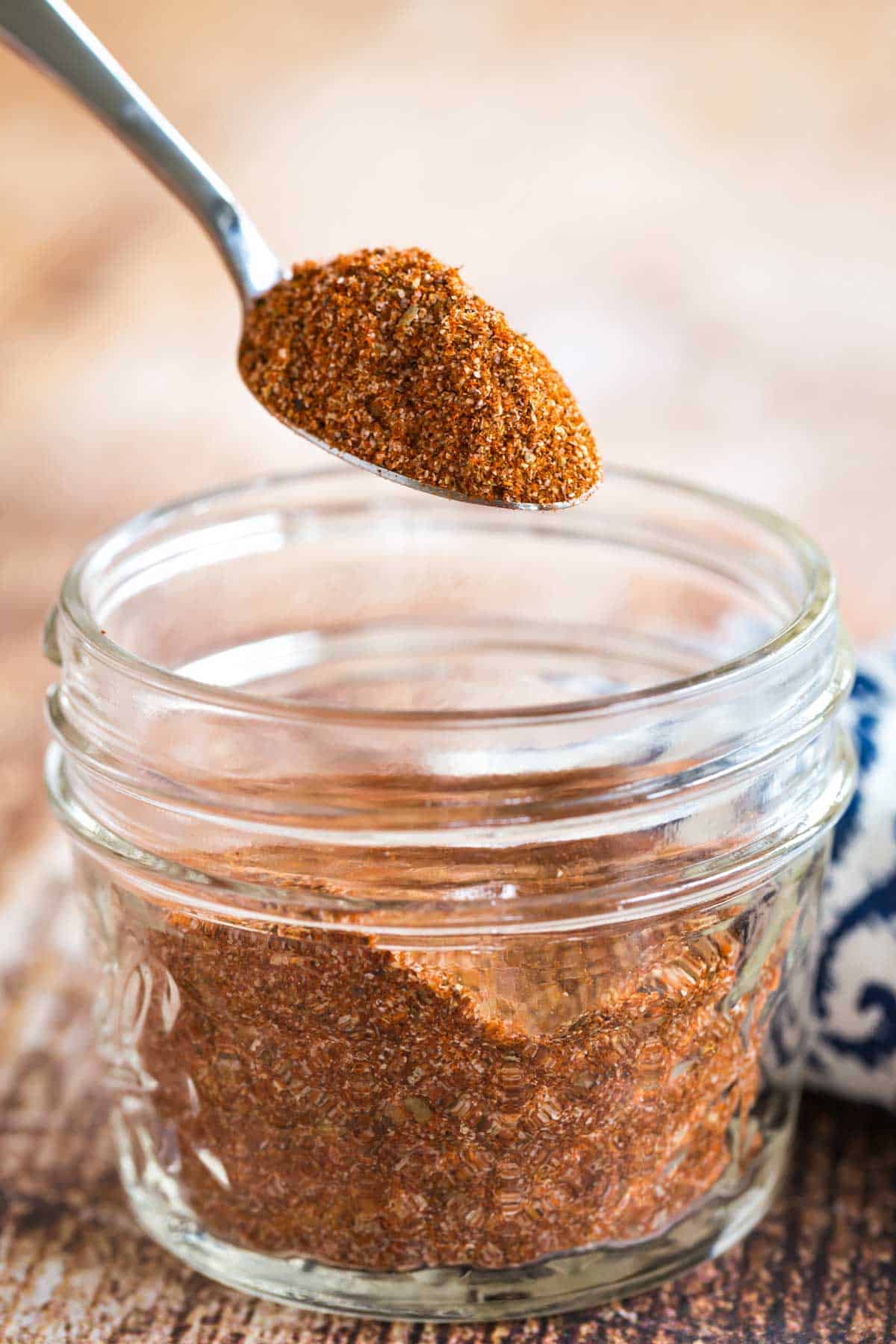
Store batches of blackening seasoning in airtight containers or jars, in a cool, dry location. When stored properly, it will keep fresh for 6 to 12 months! I’d suggest using containers that are proportionate (not too large) compared to the amount of seasoning, leaving less room for air.
Spices stay freshest when stored away from sunlight, in places like drawers or cupboards.
Tasty Ways to Use It
If you’re a fan of extra heat, there are countless ways that you can incorporate blackening seasoning into your favorite dishes! While this seasoning is usually used in seafood recipes, it pairs just as deliciously with chicken, beef, and other ingredients. Here are some suggestions for how to use it:
- Seafood: Sprinkle blackening seasoning over shrimp, salmon, and other fish like tilapia or catfish to bring bold, blackened flavor to your favorite seafood dishes. I’ll also use it to season a sheet pan shrimp boil.
- Chicken: Blackening seasoning and poultry go hand in hand. Rub it over chicken breasts or an air fryer rotisserie chicken.
- Steak: Give your pan-fried or grilled steaks a Cajun-style twist. These black & blue steaks or steak bites taste amazing when rubbed with this seasoning.
- Dips and Sauces: Spice up sauces, condiments, and dips like my New Orleans-inspired jambalaya dip by adding a spoonful of blackening seasoning into the mix.
- Veggies: This spice brings loads of flavor to grilled or roasted vegetables like broccoli, zucchini, bell peppers, and mushrooms. You can even use it in recipes like these jambalaya-stuffed sweet potatoes!
More Pantry Staples
Homemade Blackened Seasoning
Ingredients
- 1/4 cup paprika
- 2 Tablespoons cayenne pepper
- 2 Tablespoons garlic powder
- 2 Tablespoons onion powder
- 4 teaspoons black pepper
- 2 teaspoons Kosher salt
- 2 teaspoons dried oregano
- 2 teaspoons dried basil
Instructions
- Combine 1/4 cup paprika, 2 Tablespoons cayenne pepper, 2 Tablespoons garlic powder, 2 Tablespoons onion powder, 4 teaspoons black pepper, 2 teaspoons Kosher salt, 2 teaspoons dried oregano, and 2 teaspoons dried basil in a bowl and mix together evenly. Use immediately or transfer to a bottle or jar for storage.
Notes
Did you make this?
Leave a star rating to help others know that they should make this recipe.
Share a photo and tag @cupcakesandkalechips on Instagram!